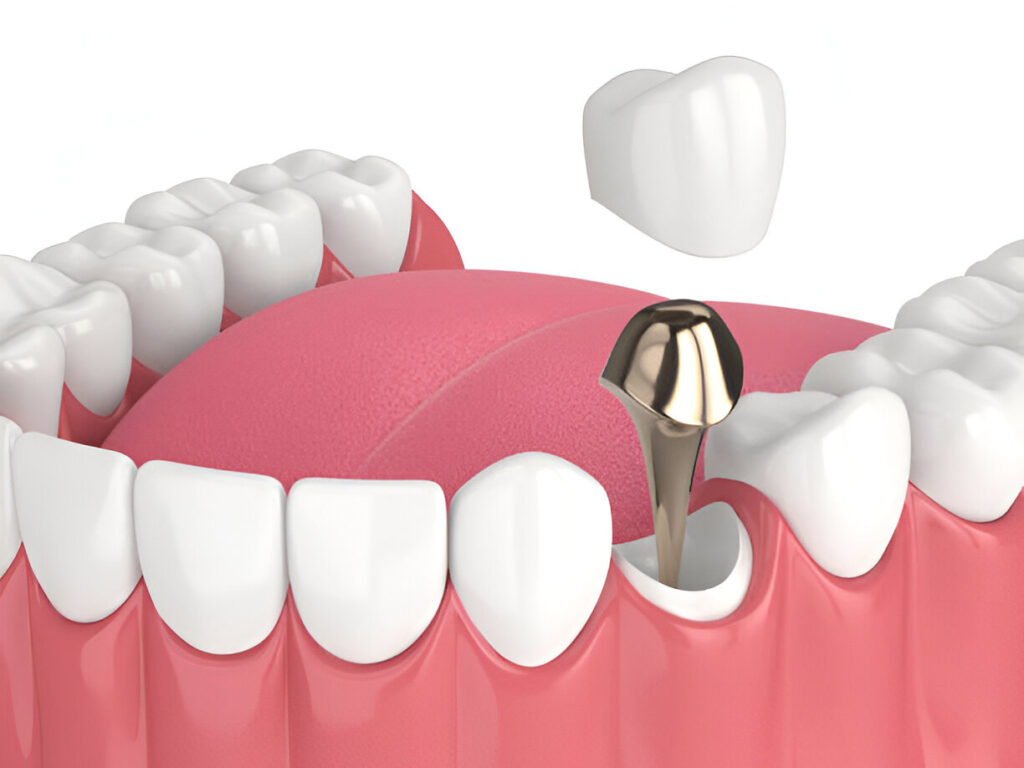
Dental implants and bridges are two common solutions for replacing missing teeth. While both options restore the smile, they differ in procedure, longevity, cost, and functionality. This article breaks down the differences, benefits, and considerations to help you choose the right option in Aberdeen.
What Is a Dental Implant?
A dental implant is a permanent solution for missing teeth. It involves placing a titanium post into the jawbone, which acts as a tooth root, and attaching a crown to restore function and appearance. Implants integrate with the jawbone, providing a natural and durable result.
What Is a Dental Bridge?
A dental bridge is a nonsurgical solution that fills the gap left by missing teeth. It consists of a replacement tooth (pontic) supported by crowns placed on adjacent teeth. Unlike implants, bridges do not integrate with the jawbone and rely on surrounding teeth for support.
Comparison Between Dental Implants and Bridges (Step-by-Step)
- Appearance and Aesthetics
- Dental Implants: Blend seamlessly with natural teeth, offering the most realistic appearance.
- Dental Bridges: Provide a natural look, but the surrounding gum tissue may recede, exposing the bridge’s internal structure over time.
- Durability and Longevity
- Dental Implants: Last a lifetime with proper care, as the titanium post fuses with the jawbone.
- Dental Bridges: Typically last 10-15 years before needing replacement.
- Preservation of Jawbone Health
- Dental Implants: Help maintain jawbone density by stimulating bone growth, preventing bone loss.
- Dental Bridges: Do not prevent jawbone shrinkage, as they rest on the gums rather than integrating with the bone.
- Comfort and Functionality
- Dental Implants: Function just like natural teeth, allowing you to eat, speak, and smile confidently.
- Dental Bridges: Can be effective but may not offer the same stability and long-term comfort as implants.
- Cost Considerations
- Dental Implants: Require a higher upfront investment but are more cost-effective in the long term due to their durability.
- Dental Bridges: More affordable initially but may require replacements every 10-15 years, increasing overall costs.
- Procedure and Treatment Time
- Dental Implants: Involve a multi-step process with surgery, healing, and crown placement, typically taking several months.
- Dental Bridges: Can be completed more quickly, often within a few weeks.
Frequently Asked Question
Which lasts longer, a dental implant or bridge?
Dental implants generally last a lifetime, while bridges last 10-15 years before requiring replacement.
Can you get a dental implant if you have low bone density?
Yes, in many cases, a bone graft can be done to ensure the implant fuses properly with the bone.
Are dental implants more comfortable than bridges?
Yes, dental implants feel more like natural teeth and offer better long-term comfort than bridges.
Do I need to replace a dental bridge?
Yes, dental bridges typically need to be replaced every 10-15 years as the supporting teeth can weaken over time.
Is the procedure for dental implants painful?
The procedure is generally pain-free due to local anesthesia, and recovery is manageable with pain relief.
Author Details
Written by: Holburn Dental & Implant Centre Clinical Team
Reviewed by: dental implants Dentist Lead