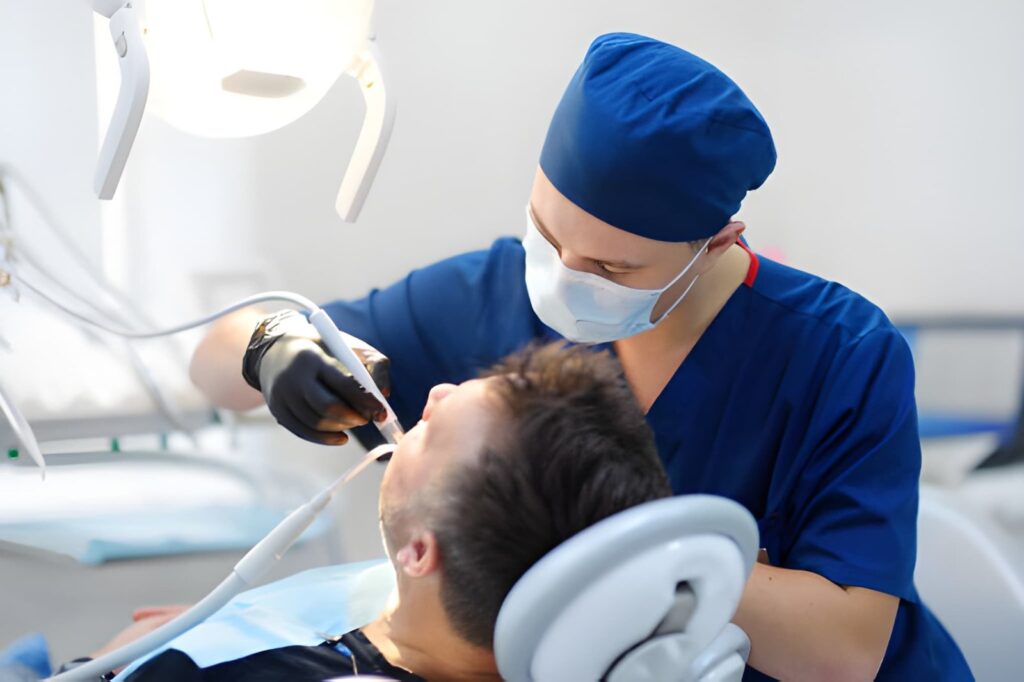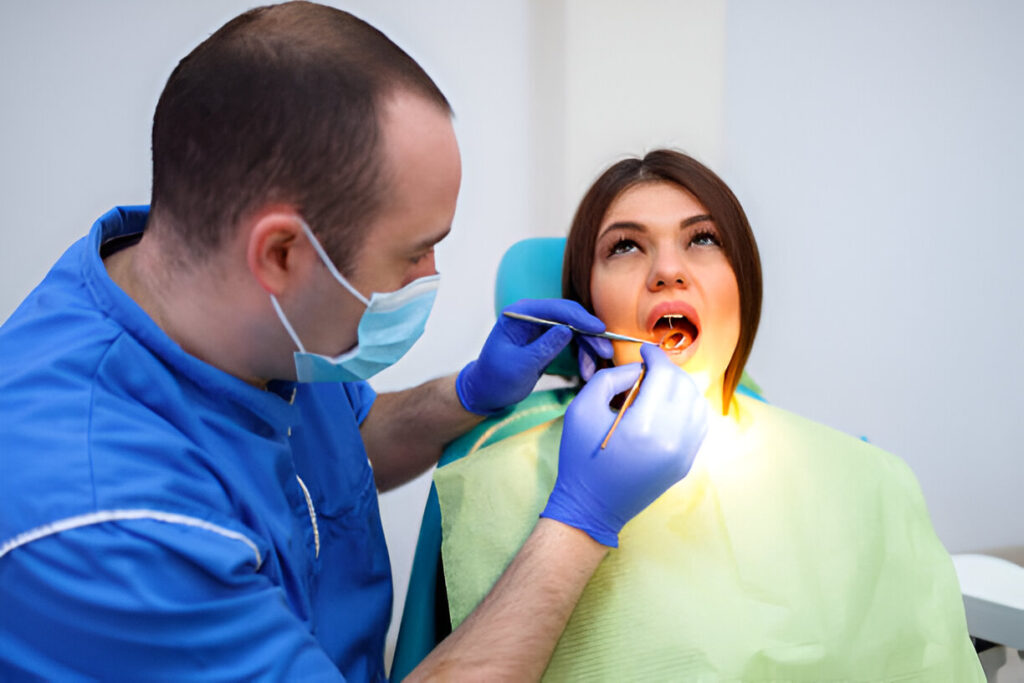
Losing a tooth suddenly can be painful, stressful, and frightening. Whether it happens during an accident, a fall, or while eating, acting quickly is crucial. An emergency dentist in Aberdeen can often save a knocked-out tooth if you reach them in time. With the right first-aid steps and urgent dental care, your tooth may be successfully reinserted.
Is a Lost Tooth a Dental Emergency?
A knocked-out adult tooth is always a true dental emergency. It must be treated within 30–60 minutes for the best chance of saving it. If you lose a tooth, remain calm and contact an emergency dentist in Aberdeen immediately. Fast action prevents infection, bone loss, and long-term dental damage.
Dealing with Tooth Pain? Emergency Dentist Aberdeen Can Help
What Can Cause a Tooth to Fall Out?
- Sports injuries or accidents
- Falls or trauma
- Biting hard foods unexpectedly
- Severe gum disease
- Advanced tooth decay
- Infection around the tooth
- Long-term bone loss
Understanding the cause helps prevent future incidents and supports proper treatment.
Will Emergency Dentists Take a Tooth Out?
Step-by-Step: What to Do After Losing a Tooth
1. Pick up the tooth correctly
Hold it by the crown (the white part). Never touch the root.
2. Keep the tooth moist
Rinse gently with milk or saline. Place it back in the socket if possible, or store it in milk or your saliva.
3. Get to an emergency dentist in Aberdeen immediately
Time is critical—reach the dentist within 30–60 minutes to increase the chance of saving your tooth.
Can a Lost Tooth Be Saved?
Yes—if you act fast. Emergency dentists can often reinsert and stabilise the tooth using a splint. If the tooth cannot be saved, options like implants, bridges, or dentures can restore your smile.
Other Common Dental Emergencies
- Severe toothache
- Swelling or infection
- Broken or cracked teeth
- Lost fillings or crowns
- Bleeding that won’t stop
If you’re unsure whether it’s an emergency, call a dentist. It is always safer to get professional advice quickly.
Do You Have to Pay for Emergency Dentist in the UK?
What to Expect at an Emergency Dental Appointment
During your visit, the dentist will:
- Examine your mouth and take X-rays
- Assess whether the tooth can be saved
- Reinsert or stabilise the knocked-out tooth if possible
- Provide pain relief and temporary treatment
- Explain next steps and aftercare instructions
Emergency appointments focus on fast relief and preventing long-term damage.
Will an Emergency Dentist Extract a Tooth?
How to Prevent Future Dental Emergencies
- Wear a mouthguard during sports
- Avoid chewing ice or very hard foods
- Maintain good gum health
- Attend regular dental checkups.
- Act quickly when dental problems appear
Preparation reduces the risk of losing a tooth again.
When to Contact an Emergency Dentist
Call an emergency dentist immediately if you experience:
- A knocked-out tooth
- Sudden swelling
- Heavy bleeding
- Trauma or injury
- Severe, lasting toothache
Emergency dental clinics in Aberdeen often offer same-day appointments for urgent care.
Call Now for Fast, Expert Help
A lost tooth is stressful, but quick action can save it. If you need immediate care, contact an emergency dentist in Aberdeen for fast and friendly support.
Emergency Dentist Aberdeen – Holborn Dental & Implant Centre
If you’ve lost a tooth or have any urgent dental issue, Holborn Dental & Implant Centre is here to help. Our experienced team offers same-day emergency appointments, gentle care, and effective treatment to protect your smile.
FAQs (People Also Ask)
Can a knocked-out tooth be saved after a few hours?
The best chance of saving the tooth is within 30–60 minutes. After a few hours, success rates drop significantly. Seek help immediately.
What should I never do with a lost tooth?
Don’t scrub the tooth, don’t touch the root, and never store it in tap water. Use milk or saliva instead.
Is a baby tooth falling out an emergency?
Usually no—baby teeth fall out naturally. But if there is heavy bleeding, pain, or the tooth breaks, contact a dentist.
Does reinserting a lost tooth hurt?
There may be slight discomfort, but dentists use gentle methods and can numb the area if needed.
How can I stop this from happening again?
Wear a mouthguard, avoid risky foods, care for your gums, and get regular check-ups to keep teeth strong.
Author Details
Written by: Holborn Dental & Implant Centre Clinical Team
Reviewed by: Lead Emergency Dentist, Aberdeen