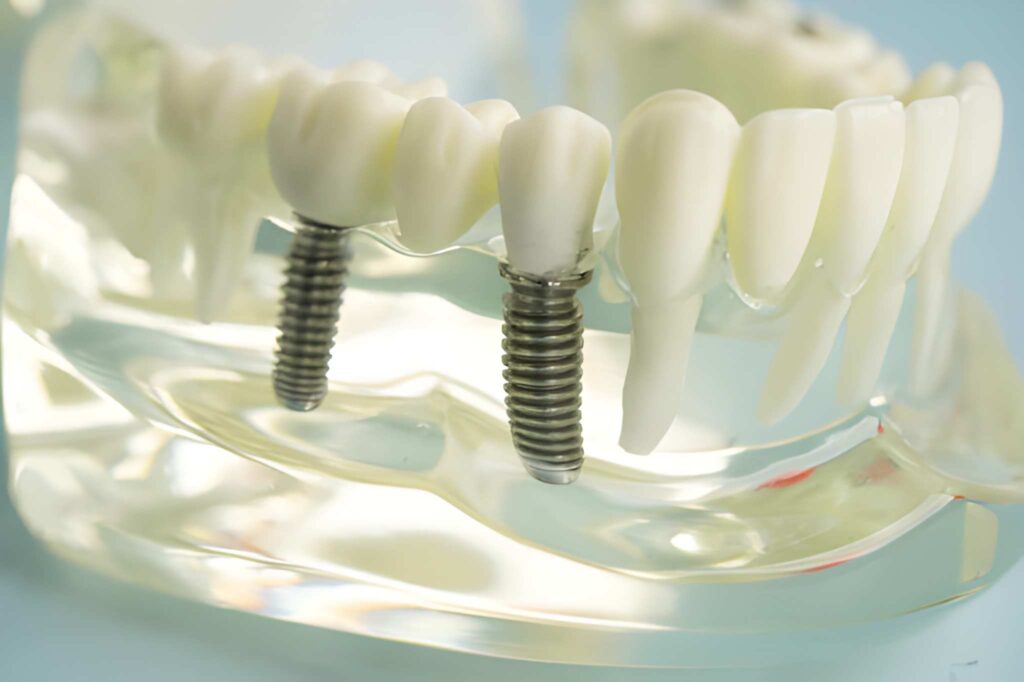
Dental implants are a long-term solution for missing teeth that replace both the tooth and its root. They require healthy gums, adequate bone, and a staged treatment process. Most patients complete treatment within several months with proper planning and care.
Dental implants are commonly used to replace missing teeth in a stable and natural-looking way. Many patients in Aberdeen consider implants due to comfort and durability. However, the process involves several stages and suitability checks. Understanding what to expect helps patients make informed decisions before treatment begins.
What Are Dental Implants?
Dental implants in Aberdeen are artificial tooth roots placed into the jawbone. They support crowns, bridges, or dentures and function like natural teeth. Dental implants help restore chewing ability and prevent bone loss.
How to Choose Between a Private and NHS Dentist in Aberdeen
Key Facts Patients Should Know About Dental Implants
- Implants are made from biocompatible titanium
- They integrate with the jawbone through osseointegration
- Treatment is completed in stages, not one visit
- Implants can replace one tooth or multiple teeth
- Long-term success depends on oral hygiene and check-ups
Types of Dental Implants Available
- Single-tooth implants
- Implant-supported bridges
- Full-arch implant solutions
- Implant-retained dentures
Each option depends on tooth loss extent and bone health.
Am I a Candidate for Dental Implants?
Most adults with good oral and general health can be considered. Patients need healthy gums and enough jawbone to support the implant. Conditions such as smoking, diabetes, or gum disease may require additional care before treatment.
The Best Family Dentists in Aberdeen for Your Little Ones
Step-by-Step: What Happens During Dental Implant Treatment
- Initial consultation with examination and imaging
- Treatment planning based on bone and gum health
- Implant placement under local anaesthetic
- Healing period for osseointegration
- Placement of final crown, bridge, or denture
What Is Osseointegration?
Osseointegration is the process where the implant bonds with the jawbone. This creates stability and allows the implant to function like a natural tooth root. It is essential for long-term implant success.
How to Care for Dental Implants
- Brush twice daily
- Clean around implants with floss or interdental brushes
- Attend regular dental reviews
- Avoid smoking during healing
Proper care helps implants last many years.
What Are the Three Types of Dental Implants?
Considering Dental Implants in Aberdeen? Contact Holburn Dental and Implant Centre
If you are thinking about dental implants and want personalised guidance, the team at Holburn Dental and Implant Centre can help you understand your treatment options. Our experienced clinicians provide detailed implant assessments, advanced imaging, and carefully planned treatments designed to restore comfort, function, and confidence.
FAQs (People Also Ask)
How long does dental implant treatment take?
Most treatments take three to six months, depending on healing and preparation needs.
Are dental implants painful?
The procedure is done under anaesthetic. Post-treatment discomfort is usually mild and temporary.
Can dental implants fail?
Implants have high success rates. Failure is uncommon and usually linked to poor oral hygiene or smoking.
What if I don’t have enough jawbone?
Bone grafting or alternative implant techniques may still make treatment possible.
Are dental implants permanent?
Implants can last decades with proper care. The crown may need replacement over time.
Author
Content reviewed by qualified dental professionals
Experience-based clinical guidance
Last Updated
Last updated: February 2026