A root canal preserves your natural tooth, while a dental implant replaces it. In most cases, saving the natural tooth is considered the healthier first option when possible.
When a tooth is badly damaged or infected, choosing the right treatment is important. A root canal or a dental implant is the most common option. Both restore function and appearance, but they work differently. Understanding each helps you make the best decision for long-term oral health.
What Is a Root Canal?
A root canal is a common treatment offered by an NHS Dentist Aberdeen to remove infection from inside a tooth while preserving its natural structure. The tooth is cleaned, sealed, and usually protected with a crown to restore strength and function.
What’s the Difference Between Private and NHS Dentist?
What Is a Dental Implant?
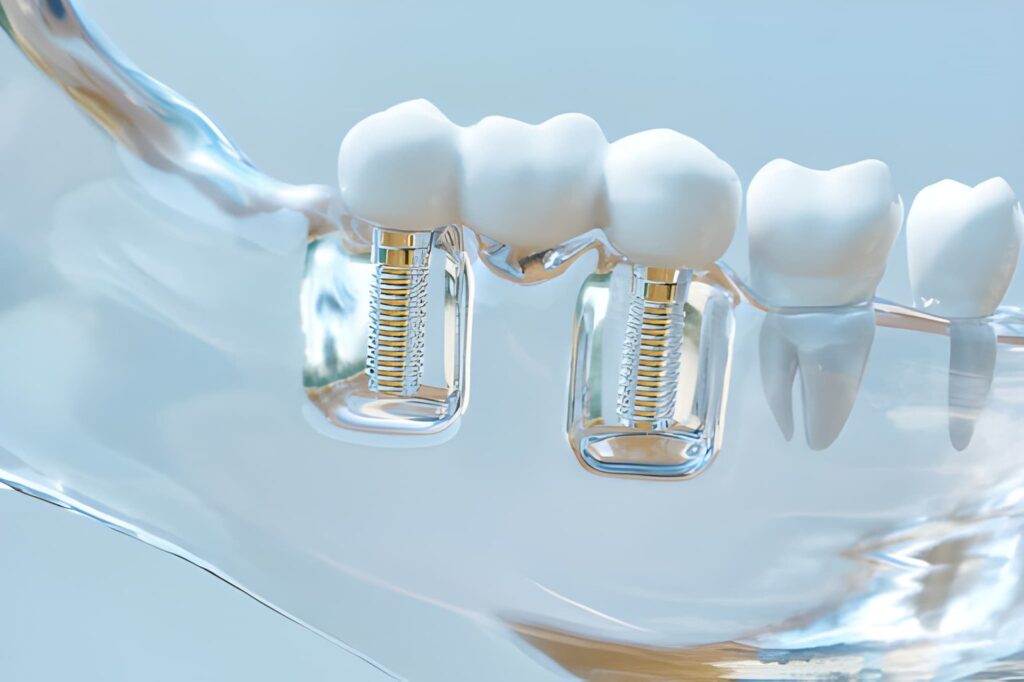
A dental implant is a replacement for a missing tooth. A titanium post is placed into the jawbone and topped with a crown to function like a natural tooth.
Key Differences Between Root Canal and Implant
- Root canal saves your natural tooth
- An implant replaces a missing or extracted tooth
- Root canal is less invasive
- An implant requires a surgical procedure
- A root canal is usually more affordable
- The implant may last longer in some cases
Which Is Healthier?
Saving your natural tooth is usually the healthiest option. A root canal keeps the original tooth structure and supports natural function.
However, an implant becomes the better option if:
- The tooth is too damaged to save
- There is a severe infection or fracture
- Bone and gum health support implant placement
Benefits of Root Canal
- Preserves natural tooth
- Maintains bite alignment
- Faster recovery
- Lower cost compared to implants
Benefits of Dental Implant
- Long-lasting solution
- Prevents bone loss
- Does not decay
- Strong and stable like natural teeth
Risks to Consider
Root Canal Risks:
- Reinfection if not sealed properly
- The tooth may weaken over time
Dental Implant Risks:
- Surgical complications
- Risk of implant failure
- Longer healing time
What is the 2-Month Rule for NHS Dentistry?
How to Decide (Step-by-Step)
1: Check if the tooth can be saved
2: Evaluate gum and bone health
3: Compare costs and recovery time
4: Consider long-term durability
5: Consult a dentist for expert advice
Long-Term Success Rates
Root canals have a success rate of 85–95%, while dental implants range from 90–98%. Both are highly reliable when properly maintained.
Cost Comparison
Root canals are generally more affordable. Implants cost more upfront but may provide long-term value depending on the case.
Book Your Consultation at Holburn Dental and Implant Centre
Looking for expert advice on whether a root canal or dental implant is right for you? At Holburn Dental and Implant Centre, our experienced team provides personalized treatment plans based on your oral health needs. We focus on preserving your natural teeth whenever possible while offering advanced implant solutions when required.
Contact Holburn Dental and Implant Centre today to schedule your consultation and take the first step toward a healthier, more confident smile.
FAQs (People Also Ask)
1. Is a root canal better than a dental implant?
Yes, if the tooth can be saved, a root canal is usually the preferred and healthier option.
2. Do dental implants last longer than root canals?
Dental implants can last longer, but root canal-treated teeth can also last a lifetime with proper care.
3. Are root canals painful?
No. Modern root canals are performed with anesthesia and are generally painless.
4. Can a root canal fail?
Yes, but it can often be retreated or replaced with an implant if needed.
5. Which option is more cost-effective?
Root canals are usually more affordable than dental implants.
Author
Cosmetic & Restorative Dentist with 10+ years of clinical experience in endodontics and implant dentistry.
Last Updated: March 31, 2026