Choosing the Right Alternative to Dental Implants
Dental implants have long been a reliable option for replacing missing teeth. However, they aren’t always suitable or affordable for everyone. Fortunately, several effective alternatives can restore your smile, maintain oral functionality, and suit different budgets and preferences. This guide explores the best alternatives to dental implants and how to choose the one that’s right for you.
Why Consider Alternatives to Dental Implants?
Patients seeking the Best Dental Implants Aberdeen should know that not everyone is a suitable candidate. Some patients may not qualify due to low bone density, certain medical conditions, cost concerns, or personal preferences. In such cases, alternative treatments can help restore a functional and natural-looking smile without surgery or long recovery times.
Best Alternatives to Dental Implants
1. Dental Bridges
A dental bridge is one of the most popular implant alternatives. It consists of one or more false teeth (pontics) held in place by crowns on the adjacent teeth. Bridges restore aesthetics and function while preserving the structure of surrounding teeth. They are long-lasting and provide a natural appearance, but do require healthy neighbouring teeth for support.
2. Resin-Bonded (Maryland) Bridges
This is a conservative version of the traditional bridge, using metal or ceramic wings bonded to the back of neighbouring teeth. It minimises enamel removal and is particularly suitable for replacing front teeth. While it may not be as strong as a conventional bridge, it offers a minimally invasive, affordable option for suitable candidates.
3. Partial Dentures
Removable partial dentures are another effective solution for replacing a few missing teeth. They are attached to the remaining natural teeth via clasps or precision attachments. This option is typically more affordable than implants or bridges and can be easily adjusted or repaired if needed.
4. Complete Dentures
When all teeth in one or both arches are missing, complete dentures can restore both function and appearance. Modern dentures are designed for comfort, stability, and a natural look. Although they may occasionally require adjustment or replacement, they remain among the most accessible and affordable options for full tooth replacement.
5. Snap-On Dentures
Also known as overdentures, these removable dentures are stabilised by small attachments on remaining teeth or implants. They combine the accessibility of traditional dentures with added stability, improving comfort and confidence during everyday use.
6. Mini Dental Implants
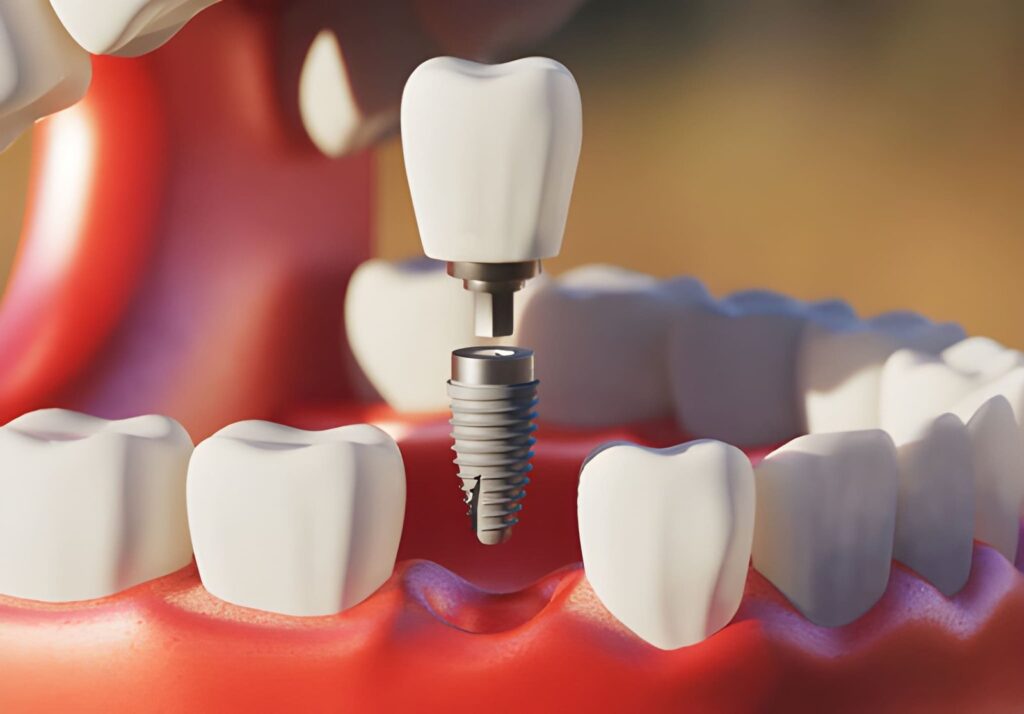
Mini dental implants are smaller versions of conventional implants, often used to secure dentures or replace a single missing tooth. They require less invasive surgery, heal faster, and are usually more budget-friendly. However, their smaller size may not be suitable for all patients or tooth positions.
7. Flipper Tooth
A flipper tooth is a lightweight, removable partial denture used as a temporary replacement option following tooth loss or extraction. It’s an affordable short-term solution, helping preserve aesthetics while you consider a more permanent treatment.
8. All-On-Four Denture Systems
For those looking for a hybrid solution, All-on-Four dentures use four strategically placed implants to support a full arch of replacement teeth. This option offers stability and durability similar to implants but with reduced cost and recovery time compared to replacing each tooth individually.
9. Root Canal and Crown
When a tooth is damaged but not entirely lost, a root canal followed by a crown can restore its function and appearance. This treatment preserves your natural tooth root, maintaining jawbone health and avoiding the need for extraction or replacement.
Comparing the Alternatives
Cost Comparison of Dental Implant Alternatives
The cost of treatment can vary depending on materials, complexity, and the dentist’s fees. Generally, dentures are the most affordable, followed by bridges and mini implants. While dental implants typically cost the most upfront, they can be more economical in the long run due to their longevity.
Longevity and Durability
Implants usually last the longest, often decades, with proper care. Bridges may last 10–15 years, while dentures typically require replacement every 5–10 years. Choosing durable materials and maintaining excellent oral hygiene can extend the lifespan of any treatment option.
Maintenance and Oral Hygiene Needs
All alternatives require consistent care. Brushing, flossing, and regular dental check-ups are essential. Removable dentures should be cleaned daily and stored properly overnight. Fixed options like bridges need extra attention when cleaning around the supporting teeth.
Factors to Consider Before Choosing
Oral Health Status
Your bone density, gum health, and remaining tooth structure determine the best treatment option. A dental professional will assess whether you are suited for fixed or removable solutions.
Number and Location of Missing Teeth
Replacing one missing tooth might call for a bridge or a mini implant, while several missing teeth could be better served by partial dentures or an All-on-Four system.
Budget and Insurance Coverage
Costs can vary widely, so evaluating your budget and available insurance coverage is essential. Some dental plans cover a portion of bridge or denture costs, while implants often require more out-of-pocket payment.
Aesthetic Goals
If you prioritise a natural appearance and comfort, fixed options like bridges or mini implants may be ideal. For those seeking flexibility, removable dentures offer a practical solution.
Additional Considerations
Temporary Tooth Replacement Options
While waiting for a permanent solution, a flipper tooth or temporary bridge can preserve aesthetics and prevent neighbouring teeth from shifting.
Non-Surgical vs. Surgical Alternatives
Options such as dentures or resin-bonded bridges are non-surgical and ideal for patients looking to avoid invasive procedures. Mini implants or All-on-Four systems involve minor surgery but offer more stability.
A dental professional to discover the most suitable and cost-effective treatment plan for you.
FAQs About Alternatives to Dental Implants
Is there a cheap alternative to dental implants that still looks natural?
Yes, partial dentures and resin-bonded bridges offer affordable and natural-looking replacements for missing teeth without surgery.
Which alternative option is best for the front teeth?
Resin-bonded (Maryland) bridges are a popular choice for front teeth because they provide a natural appearance with minimal alteration to surrounding teeth.
How long do dental bridges last compared to implants?
Dental bridges usually last 10–15 years with proper care, while implants can last several decades depending on maintenance and oral hygiene.
Are dentures comfortable to wear all day?
Modern dentures are designed for comfort and stability. It might take a short adjustment period, but most patients adapt well to daily wear.
Can I switch from dentures to implants later on?
Yes, if your bone and gum health permit, you can upgrade from dentures to implant-supported solutions like mini implants or All-on-Four systems in the future.