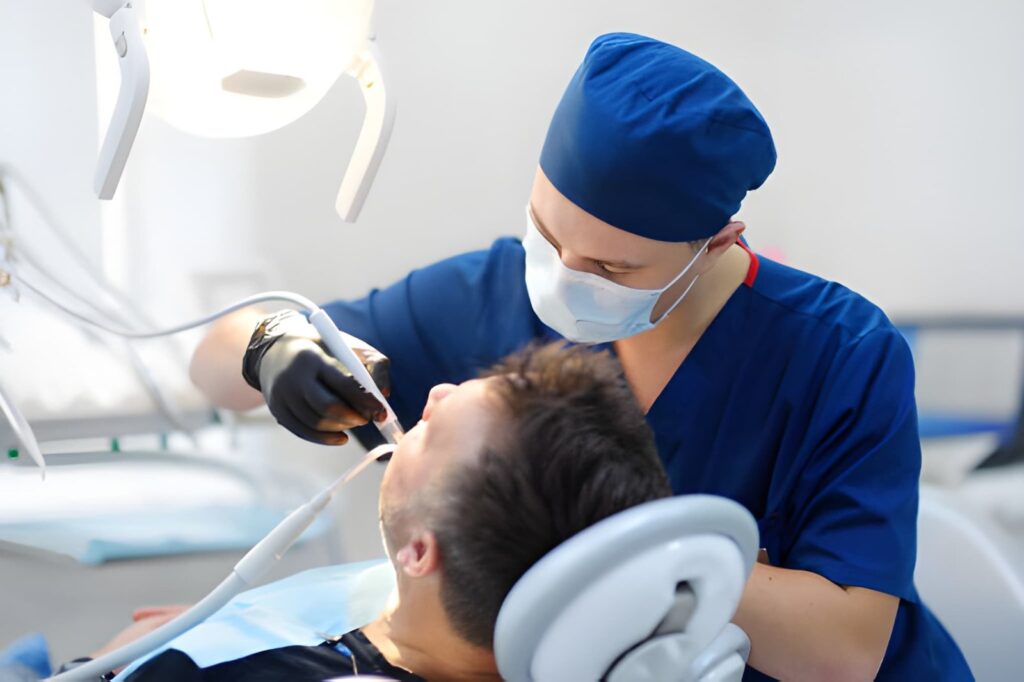
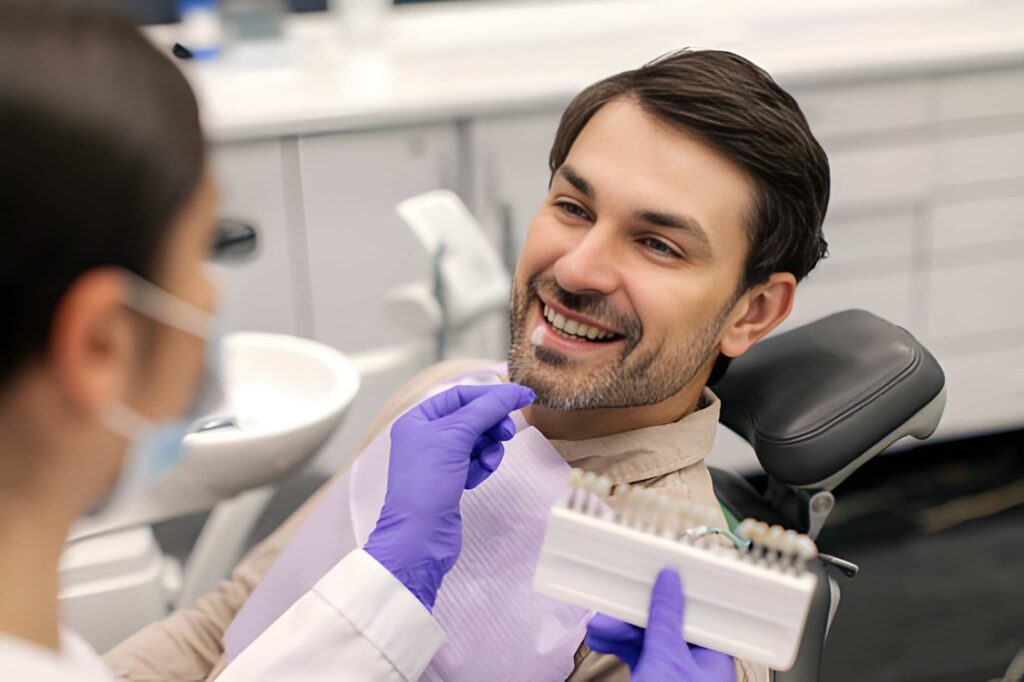
Yes, it is possible to have all your teeth removed and replaced with dental implants. This advanced treatment option is designed for people with severely damaged, decayed, or missing teeth. Full mouth dental implants restore both function and appearance, offering a long-term alternative to traditional dentures.
This approach allows patients to eat, speak, and smile with confidence while maintaining jawbone health and facial structure.
What Are Full Mouth Dental Implants?
Full mouth dental implants in Aberdeen use multiple implants placed in the jaw to support a complete arch of replacement teeth. Instead of replacing each tooth individually, a full arch can often be secured using a smaller number of carefully positioned implants.
This approach provides strong support, a natural appearance, and improved comfort when compared to removable dentures, making dental implants in Aberdeen a reliable long-term solution for full smile restoration.
Does Food Get Under All-on-4 Implants?
Are You a Good Candidate for Full Arch Tooth Replacement?
You may be a suitable candidate if you have:
- Multiple missing or severely damaged teeth
- Advanced tooth decay or wear
- Healthy gums
- Adequate jawbone density
- No medical conditions that interfere with healing
Even if you have been told dentures are your only option, dental implants may still be possible following proper assessment and imaging.
How to Choose Between a Private and NHS Dentist in Aberdeen
The Full Mouth Implant Process: What to Expect
The treatment process usually follows these steps:
- Initial Consultation – Oral examination, scans, and treatment planning
- Tooth Removal – Extraction of remaining unhealthy teeth
- Implant Placement – Titanium implants placed into the jawbone
- Temporary Teeth – Temporary restorations may be fitted during healing
- Healing Phase – Implants fuse with the bone over several months
- Final Teeth Placement – Permanent prosthetic teeth are attached
Each stage is carefully planned to ensure safety, comfort, and long-term success.
The Best Family Dentists in Aberdeen for Your Little Ones
How Long Does Full Mouth Implant Treatment Take?
Treatment time varies depending on healing and complexity. Most patients complete the process within four to eight months. In some cases, temporary teeth can be placed on the same day as implant surgery, allowing patients to leave with a functional smile while healing continues.
Can Teeth Be Extracted and Replaced With Implants on the Same Day?
In some cases, yes. This is known as immediate implant placement. If the extraction site is healthy and bone quality is sufficient, implants may be placed during the same appointment. This approach can reduce the total number of procedures and shorten treatment time.
Is Same-Day Tooth Replacement Right for Everyone?
Same-day treatment is not suitable for every patient. Those with active infection, severe bone loss, or certain health conditions may need additional preparation before implants can be placed. Diagnostic imaging and clinical evaluation are essential to determine eligibility.
Why Replacing Teeth Promptly Matters
Delaying tooth replacement after extraction can lead to bone loss and shifting of nearby teeth. Dental implants help preserve the jawbone by stimulating natural bone activity. Early replacement supports facial structure, oral stability, and long-term function.
Is Teeth Whitening Possible with Dental Implants?
Osseointegration: Why Implants Are So Stable
Osseointegration is the process where the implant bonds directly with the jawbone. This creates a stable foundation for replacement teeth. Good oral hygiene, healthy bone, and avoiding smoking all contribute to successful integration and long-lasting results.
Full Mouth Implant Options Available
Several implant-based solutions are available, including:
- Single Tooth Implants – For individual missing teeth
- Implant-Supported Bridges – For multiple missing teeth in a row
- Full Arch Implant Solutions – Replace an entire upper or lower arch
- Implant-Retained Dentures – Removable teeth supported by implants
Your provider will recommend the most suitable option based on your oral health and goals.
What Are the Three Types of Dental Implants?
Why Experience Matters in Full Mouth Implant Treatment
Full mouth implant procedures involve both surgical and restorative expertise. Professionals trained in complex extractions, implant placement, and jaw anatomy are best equipped to manage advanced cases, especially when bone grafting or same-day treatment is involved.
Take the First Step Toward a Restored Smile
A consultation is the best way to understand your options. During this visit, imaging is taken, your oral health is assessed, and a personalised treatment plan is created.
How Many Days After Dental Implants Can I Eat Normally?
Book Your Full Mouth Implant Consultation at Holburn Dental and Implant Centre
If you are considering having all your teeth replaced with dental implants, a professional consultation is the most important first step. At Holburn Dental and Implant Centre, our experienced team will assess your oral health, take detailed digital scans, and explain all suitable treatment options clearly. You will receive a personalised treatment plan with transparent guidance, allowing you to make a confident and informed decision about restoring your smile.
Contact Holburn Dental and Implant Centre today to book your consultation and take the first step towards a secure, natural-looking smile with full mouth dental implants.
Frequently Asked Questions
Is the dental implant procedure painful?
The procedure is performed under anaesthesia, so discomfort during surgery is minimal. Mild soreness after treatment is normal and manageable.
How long do full mouth dental implants last?
With proper care, implants can last many years or even a lifetime. The prosthetic teeth may require maintenance over time.
Are full mouth implants better than dentures?
Implants offer greater stability, comfort, and bone preservation compared to dentures, making them a preferred long-term solution for many patients.
Can smokers receive dental implants?
Smoking increases the risk of implant failure. Stopping smoking before and after treatment greatly improves success rates.
How do I care for full mouth implants?
Daily brushing, flossing, and regular dental check-ups are essential. Care is similar to natural teeth and key to long-term success.