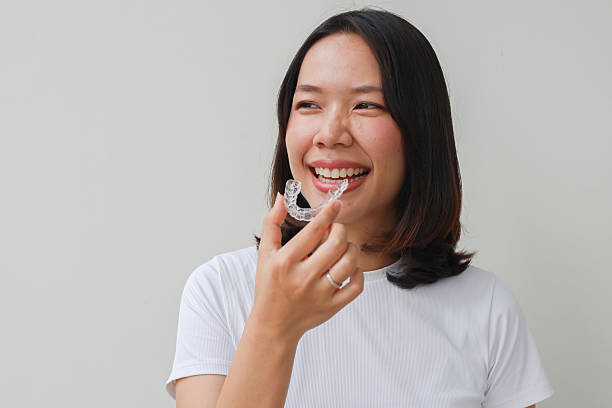
Yes, Invisalign® can improve both bite alignment and jaw function for many patients. While most people associate Invisalign with straightening teeth, it can also help correct common bite problems that affect chewing, speaking, and overall oral health. Patients exploring Invisalign options in Aberdeen often discover that treatment can do much more than enhance the appearance of their smile.
Understanding Bite Alignment
Your bite refers to how your upper and lower teeth fit together when your mouth is closed. A healthy bite allows you to chew comfortably, speak clearly, and distribute pressure evenly across your teeth.
When teeth are misaligned, bite problems can develop, including:
- Overbite
- Underbite
- Crossbite
- Open bite
- Crowding
- Spacing issues
These conditions can place extra strain on the teeth, gums, and jaw joints, potentially leading to discomfort and long-term dental problems.
How Do Aberdeen Dentists Create Digital Scans for Invisalign® Treatment?
How Invisalign Works
Invisalign uses a series of custom-made clear aligners that gradually move teeth into their ideal positions. Advanced digital scanning technology creates a precise treatment plan before treatment begins.
Each aligner is worn for approximately one to two weeks before progressing to the next stage. Over time, the aligners apply controlled pressure to specific teeth, helping improve both alignment and bite function.
Can Invisalign Correct Bite Problems?
In many cases, yes. Invisalign can effectively treat a range of mild to moderate bite issues.
Overbite
An overbite occurs when the upper front teeth overlap the lower front teeth excessively. Invisalign can gradually reposition the teeth to create a more balanced bite and reduce unnecessary pressure on the jaw.
Underbite
An underbite develops when the lower teeth sit in front of the upper teeth. Invisalign may help improve mild to moderate underbites by moving teeth into better alignment.
Crossbite
A crossbite happens when some upper teeth sit behind the lower teeth when biting down. Left untreated, it can cause uneven tooth wear and gum problems. Invisalign can often correct crossbite issues and improve overall bite function.
Open Bite
An open bite occurs when the upper and lower teeth do not touch when the mouth closes. Invisalign can help guide teeth into a more functional position and improve chewing efficiency.
How Bite Alignment Affects Jaw Function
The position of your teeth directly influences how your jaw moves and functions. When teeth do not fit together properly, the jaw muscles may need to work harder during everyday activities such as eating and speaking.
Poor bite alignment can contribute to:
- Jaw discomfort
- Uneven tooth wear
- Difficulty chewing
- Headaches
- Increased pressure on the jaw joints
By improving tooth positioning, Invisalign can help create a more balanced bite and reduce stress on the jaw.
Benefits of Invisalign for Jaw Function
Many patients report improvements in comfort and function after treatment.
Better Chewing Efficiency
When teeth align properly, chewing becomes easier and more effective. Food can be broken down more evenly, supporting digestion and oral health.
Reduced Tooth Wear
A balanced bite distributes pressure evenly across all teeth. This helps prevent excessive wear on individual teeth.
Improved Comfort
Correcting bite problems can reduce unnecessary strain on the jaw muscles and supporting structures.
Enhanced Oral Health
Straighter teeth are easier to clean. This can lower the risk of plaque build-up, gum disease, and tooth decay.
What Happens If You Don’t Wear Invisalign Aligners for 22 Hours?
Who Is a Good Candidate for Invisalign?
Invisalign is suitable for many adults and teenagers with:
- Crowded teeth
- Gaps between teeth
- Mild to moderate bite problems
- Relapse after previous orthodontic treatment
More complex orthodontic cases may still require traditional braces or specialist treatment. A professional consultation is the best way to determine suitability.
The Invisalign Treatment Process
Initial Consultation
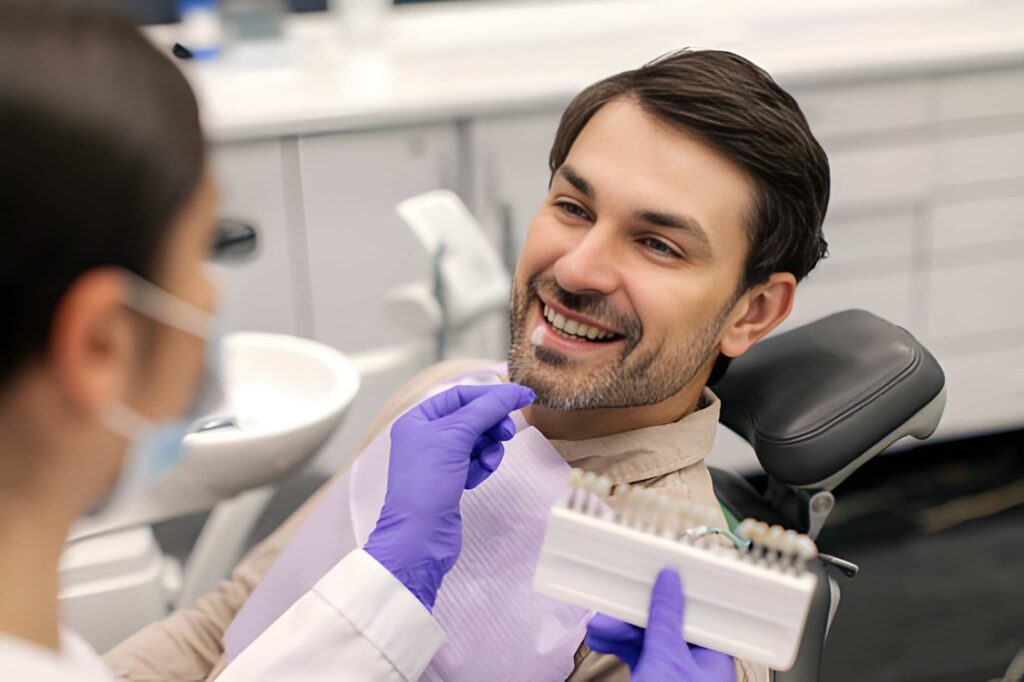
Your dentist will assess your teeth, bite, and jaw function. Digital scans create a detailed 3D model of your smile.
Personalised Treatment Plan
Advanced software maps every stage of tooth movement before treatment begins. This allows you to see a preview of your expected results.
Wearing Your Aligners
Aligners should be worn for 20–22 hours per day for optimal results. They should only be removed for eating, drinking, brushing, and flossing.
Progress Reviews
Regular appointments ensure treatment remains on track and any adjustments can be made if necessary.
Invisalign vs Traditional Braces
Both Invisalign and braces can improve bite alignment. However, Invisalign offers several advantages:
- Nearly invisible appearance
- Removable for eating and cleaning
- No metal brackets or wires
- Greater comfort for many patients
- Fewer dietary restrictions
For severe bite issues, traditional braces may still provide the most effective solution.
Why Choose Invisalign Options in Aberdeen?
Modern dental practices offering Invisalign options in Aberdeen use advanced digital technology to create highly accurate treatment plans. Patients benefit from customised care, predictable results, and a discreet orthodontic solution that fits easily into everyday life.
Start Your Invisalign Journey Today
If bite problems are affecting your smile, comfort, or confidence, Invisalign may provide the solution you need. A professional consultation can determine whether clear aligners are suitable for your case and help you achieve a healthier, more functional smile.
Book Your Consultation
At Holburn Dental and Implant Centre, we offer personalised Invisalign treatment plans designed to improve both smile aesthetics and bite function. Book your consultation today and take the first step towards a straighter smile, improved jaw comfort, and better oral health.
Start Your Invisalign Journey at Holburn Dental and Implant Centre
If you’re experiencing bite issues or jaw discomfort, Invisalign could be the solution you need. At Holburn Dental and Implant Centre, we provide tailored Invisalign treatment plans designed to improve bite alignment, enhance jaw function, and create a healthier, more confident smile. Our experienced dental team uses advanced digital scanning technology to deliver precise, predictable results in a comfortable and supportive environment.
FAQs
Can Invisalign improve jaw alignment?
Invisalign can improve the alignment of your teeth and bite, which may reduce strain on the jaw and improve overall function.
How long does Invisalign take to correct bite issues?
Treatment typically takes between 6 and 18 months, depending on the complexity of the case.
Can Invisalign help with jaw pain?
If jaw discomfort is related to bite misalignment, Invisalign may help reduce pressure on the jaw and improve comfort.
Is Invisalign suitable for severe bite problems?
Some severe orthodontic issues may require traditional braces or specialist treatment. Your dentist can advise on the most appropriate option.
Do I need to wear retainers after Invisalign?
Yes. Retainers help maintain your new tooth position and prevent teeth from shifting after treatment.