Root Canal vs Dental Implant: Understanding the Best Option for Your Teeth
When faced with a severely damaged or infected tooth, the two most common treatment options are a root canal or a dental implant. Both approaches aim to restore function and aesthetics, but they differ in procedure, cost, long-term success, and how they impact your overall oral health. This guide explores the science, prognosis, and practical factors behind each so you can make an informed choice.
What Is a Root Canal?
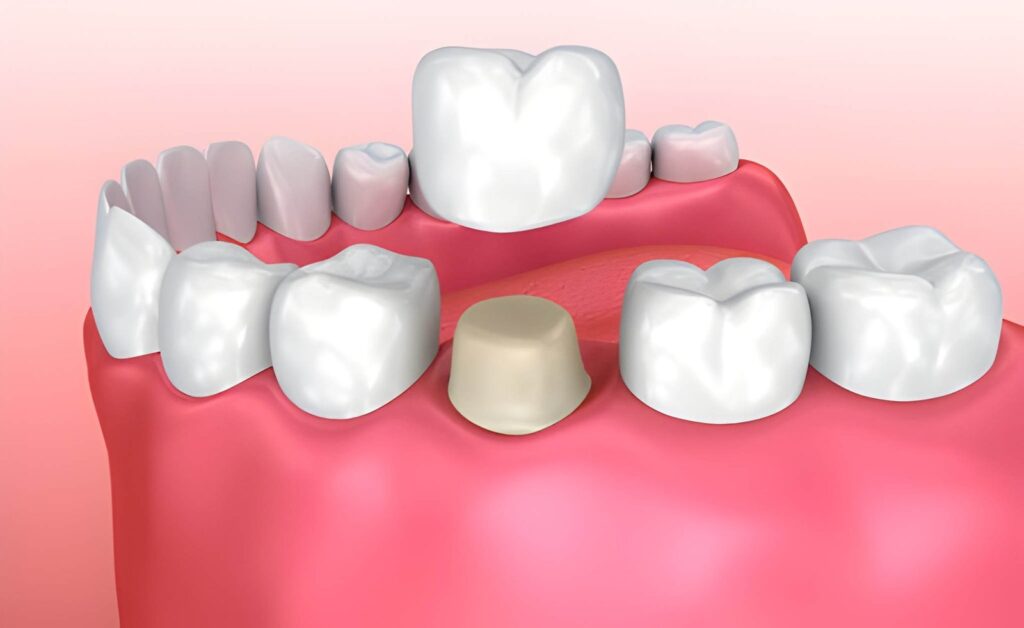
A root canal is a procedure used to save a natural tooth that has been badly decayed or infected. During treatment, the dentist removes infected pulp from inside the tooth, cleans and disinfects the canal space, and seals it with a special filling material. Often, a crown is placed on top to strengthen the tooth and restore function.
Why Would Someone Need a Root Canal?
If bacteria reach the pulp through deep decay, cracks, or trauma, an infection can develop. Symptoms may include severe tooth pain, sensitivity to hot or cold, swelling, or even a small abscess. A root canal eliminates the infection and preserves as much of your natural tooth structure as possible.
What Is a Dental Implant?
A dental implant replaces a missing or non-restorable tooth by inserting a titanium post into the jawbone, which acts as an artificial root. Once it bonds with the bone, an abutment and crown are attached to form a natural-looking and fully functional replacement tooth.
How Are Dental Implants Different from Root Canals?
Root canals save the existing tooth, while implants replace a lost or extracted tooth. With an implant, there is no natural root remaining. The decision often depends on whether your tooth can be saved, the health of your gums and bone, and personal preference for a restorative solution.
Benefits of Implants
Dental implants are durable, prevent bone loss, and feel very similar to natural teeth. They do not decay and can last decades with proper care. For patients with missing teeth, implants also help maintain jaw structure and facial shape.
Success vs. Survival Rates: Implants and Root Canals
Root canal survival rates range from 85% to 95% over ten years, depending on the tooth location, quality of restoration, and oral hygiene. Dental implants boast a success rate of 90% to 98% over the same period. However, long-term maintenance and gum health play crucial roles in both outcomes.
Prognosis of Implants
Implants show excellent success when performed on patients with good bone density and healthy gums. However, failure can occur due to poor bone integration, infection, or habits like smoking. Regular maintenance visits are essential to ensure longevity.
Prognosis of Endodontically Treated Teeth
Endodontically treated teeth usually perform well for many years. When protected with a crown and proper oral hygiene, they can last a lifetime. Failures typically occur when residual infection remains or when restorations allow new bacterial entry.
Old and New Techniques in Endodontics and Implantology
Advances in both fields have improved patient outcomes. Modern endodontic procedures use digital imaging, rotary instruments, and microscope-aided precision, while implantology benefits from 3D planning, guided surgery, and improved biomaterials. These technologies enhance precision, comfort, and long-term results.
Endodontic Microsurgery: The Ultimate Procedure to Save Teeth
When a conventional root canal fails, endodontic microsurgery—often called apicoectomy—can correct persistent infection by treating the root end directly. It offers a last resort for preserving natural teeth that might otherwise require extraction.
Periodontal and Restorative Aspects
Gum and bone health are vital for both treatments. Root canals maintain the natural tooth root, supporting the surrounding tissue. Implants, while replacing the root, require sufficient bone for stability. Additionally, correct restorative planning ensures balanced bite forces and aesthetics, preventing future complications.
Cost Comparison: Root Canal vs. Dental Implant
Generally, root canal therapy is less expensive than a dental implant. The procedure and crown restoration may cost less than half of what an implant costs. However, if a root canal fails and retreatment or extraction is needed, the total expenses can approach that of an implant.
Risks Associated with Each Procedure
Risks of Root Canals
Possible risks include incomplete removal of infection, tooth fracture, or new infection. Proper restoration and prompt follow-up reduce these risks significantly.
Risks of Dental Implants
Implant risks include surgical complications, implant loosening, or bone loss around the implant. Good oral hygiene and routine dental care are essential to prevent peri-implantitis, a form of gum inflammation around implants.
Which Procedure Is More Successful in the Long Run?
Both options can achieve long-lasting success when performed correctly and maintained with good hygiene. If your tooth can be saved, endodontic treatment is often the preferred first choice. Implants serve as an excellent alternative when saving the tooth is not feasible.
Practitioner-Specific Treatment Planning and Perception
A skilled clinician will assess your individual case—considering bone density, gum condition, and remaining tooth structure—to determine the best long-term solution. The goal is always to preserve natural teeth whenever possible, but implants are recommended when tooth prognosis is poor.
Root Canal vs Dental Implant: Which Option Is Best for You?
Choosing between a root canal and a dental implant depends on several factors: the extent of damage, your oral health, finances, and personal preference. Consultation with a dentist or endodontist will help you identify the option that best balances comfort, cost, and durability.
Conclusion
Both root canals and dental implants have proven long-term success in restoring dental health. If your natural tooth can be preserved through endodontic treatment, it is usually the best route. When preservation isn’t possible, implants provide a permanent and reliable replacement. Ultimately, early intervention and professional advice ensure the best outcome for your smile.
FAQs
1. How long do root canals last on average?
With proper care, root canal-treated teeth can last a lifetime. Crowning the treated tooth and maintaining good hygiene greatly extend durability.
2. How long do dental implants last?
Dental implants can last for decades, often a lifetime, provided you maintain good oral hygiene and schedule regular dental check-ups.
3. Are root canals painful?
Modern root canals are performed under local anaesthesia and are typically no more uncomfortable than routine fillings. Mild soreness may follow for a few days.
4. Can I get a dental implant if my root canal fails?
Yes. If a root canal-treated tooth cannot be saved, it can be extracted and replaced with a dental implant, provided there is sufficient bone support.
5. Are dental implants safer than root canals?
Both procedures are safe when performed by qualified professionals. The correct choice depends on whether your natural tooth can be preserved. Root canals avoid surgery, whereas implants require a surgical process but eliminate decay risk.