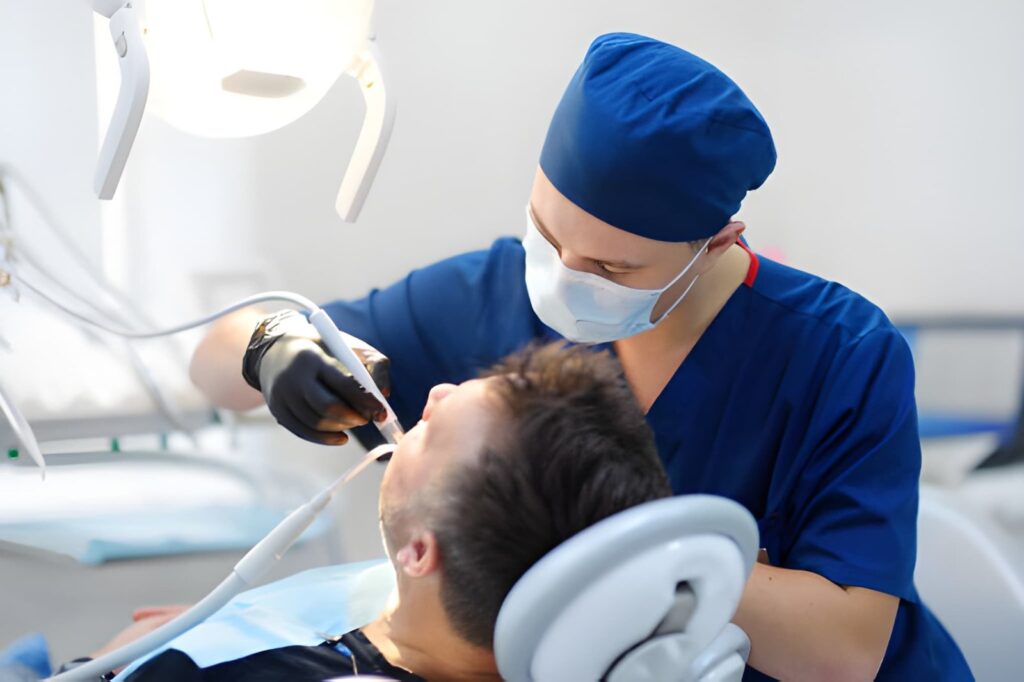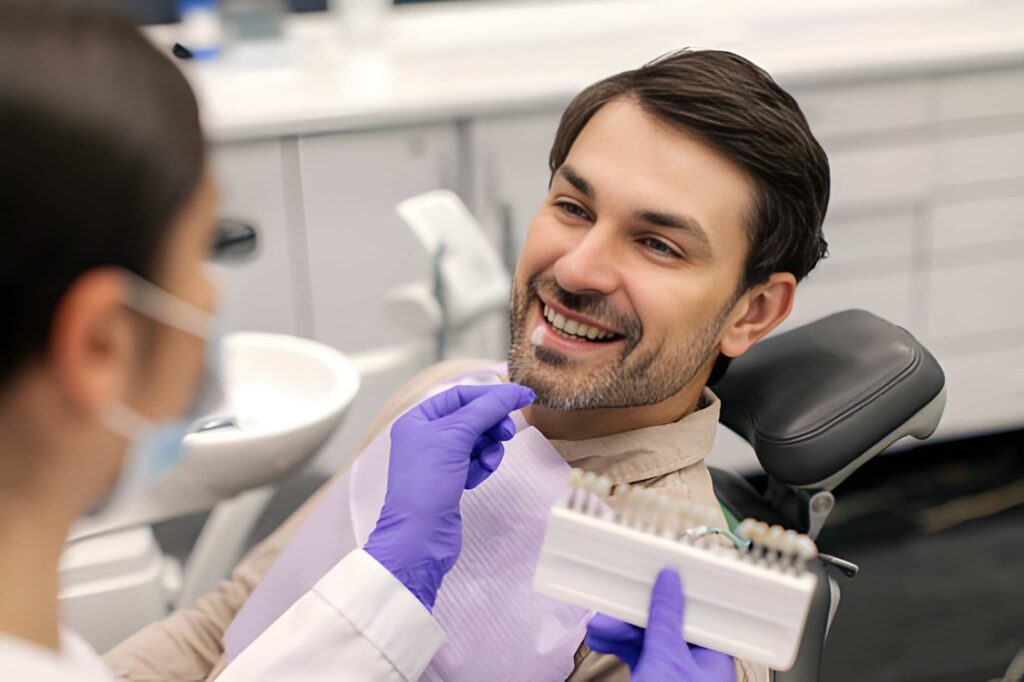
Dental implants are highly durable tooth replacements. Over 95% last more than ten years, and with proper care, the implant post can last a lifetime. Crown replacement may be required after 10–15 years, depending on use, hygiene, and dental check-ups.
Dental implants provide a reliable and long-term solution for missing teeth. Their titanium or zirconia posts fuse with the jawbone through osseointegration, offering a stable base. While crowns may wear over time, the implant post can last decades. Regular care, hygiene, and dental visits improve longevity and performance.
What Are Dental Implants?
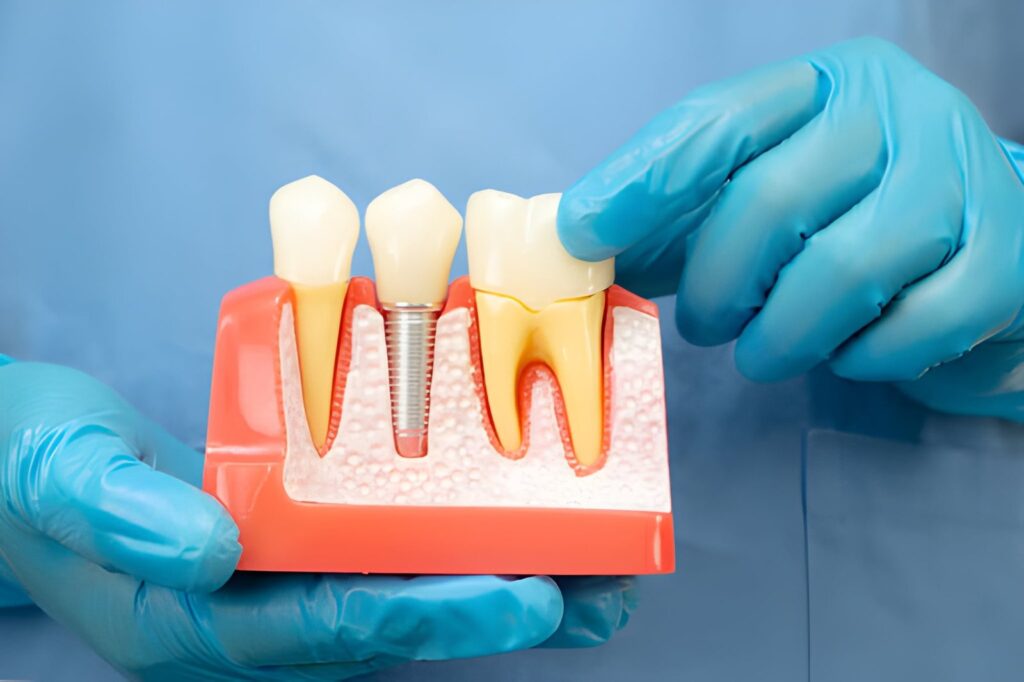
Dental implants are artificial tooth roots made from titanium or zirconia, inserted into the jawbone. They provide a strong foundation for crowns, bridges, or dentures. For those seeking Affordable Dental Implants in Aberdeen, these implants resist decay and closely mimic the function and appearance of natural teeth, while maintaining good gum health remains essential.
Can Dental Implants Really Last a Lifetime?
- Implant posts can last a lifetime with proper care
- Crowns may need replacement every 10–15 years
- Good oral hygiene and regular dental check-ups improve long-term outcomes
Why More Patients Are Considering Dental Implants in Aberdeen
Why Do Dental Implants Last So Long?
- Made from biocompatible materials that integrate securely with bone
- Resistant to cavities and structural decay
- Strong under normal chewing forces
- Support surrounding bone and gum health
Factors Affecting Dental Implant Longevity (Step-by-Step)
- Oral Hygiene and Daily Care
Brush twice daily, floss carefully, and use interdental brushes or water flossers to prevent peri-implantitis. - Overall Health and Medical Conditions
Conditions like diabetes, osteoporosis, or autoimmune disorders affect bone quality and healing. Proper management improves implant survival. - Smoking and Lifestyle Choices
Smoking reduces gum blood flow and slows healing. Quitting before and after surgery improves long-term success. - Bite Force and Everyday Habits
Excessive grinding or biting (bruxism) stresses implants. Night guards and bite adjustments prevent wear. - Surgical Precision and Follow-Up Care
Accurate implant placement and regular professional assessments ensure early detection of gum or bone issues.
The Crown May Not Last as Long
- Crowns can wear or chip over 10–15 years
- Maintenance, proper bite alignment, and avoiding hard foods extend lifespan
- The implant post remains durable long-term
What Are the Three Types of Dental Implants?
How to Make Your Dental Implant Last Longer
- Brush twice daily and floss gently
- Schedule routine dental check-ups
- Avoid extremely hard foods and staining beverages
- Follow professional cleaning recommendations
Maintenance and Cleaning
- Soft-bristled brushes and non-abrasive toothpaste
- Floss designed for implants or standard floss
- Water flossers as supplemental cleaning
- Professional cleanings monitor gum and bone health
Does Smoking Affect Implant Longevity?
Yes. Smoking reduces blood flow, triples implant failure risk, and slows healing. Quitting before and after surgery dramatically improves results.
How Often Should You See the Dentist?
Check-ups every six months are recommended. Dentists inspect implants, gums, and bone levels to detect early issues.
Diet and Everyday Habits
- Foods that stain crowns: Coffee, tea, berries
- Avoid chewing: Ice, pen caps, hard sweets
- Chewing gum: Sugar-free is best to reduce plaque
Types of Dental Implants
- Endosteal: Placed in the jawbone, most common, longest lifespan
- Subperiosteal: Placed above the bone under the gum, less common
- Mini implants: Used for small tooth spaces or dentures, shorter lifespan
Can the Body Reject a Dental Implant?
Rejection is extremely rare. Titanium and zirconia are biocompatible. Failures are usually caused by infection, poor bone quality, or mechanical overload.
What Happens if an Implant Fails?
- Loosened or non-integrated implants can often be replaced
- Bone grafts may strengthen the site before retrying
- Prompt follow-up care ensures optimal recovery
Preparation & Aftercare Tips
Before Placement
- Ensure healthy gums and bone
- Treat dental disease
- Follow pre-surgery instructions
Right After Placement
- Mild discomfort and swelling are normal
- Stick to soft foods and avoid smoking
- Maintain gentle oral hygiene
Costs, Insurance, and Smart Planning
- The initial cost is higher than that of bridges or dentures, but cost-effective in the long term
- Longevity and low maintenance make implants a good investment
- Some insurance plans cover partial treatment
Why Choose Implants vs Bridges or Dentures?
- Preserve jawbone density
- Mimic natural tooth roots
- Offer superior comfort and function
- Avoid altering neighbouring teeth
- Maintain facial structure
Key Takeaways
- Over 95% of implants last more than ten years with care
- Implant posts can last a lifetime; crowns may need replacement every 10–15 years
- Oral hygiene, lifestyle, and dental check-ups are crucial
- Implants support natural function and oral health
Schedule Your Dental Implant Consultation at Holburn Dental and Implant Centre
Looking for lasting dental implant solutions? At Holburn Dental and Implant Centre, our expert team provides personalised care to ensure your implants last for decades. Book your consultation today to restore your smile with confidence and enjoy expert guidance on maintenance, crowns, and overall oral health.
FAQs
How many years do implants usually last?
Most implants last 10–30 years; many remain functional for life with proper care.
Will the crown ever need replacement?
Yes. Crowns may require replacement every 10–15 years due to everyday wear.
Are implants safe for people with diabetes?
Yes, if blood sugar is controlled. Uncontrolled diabetes increases infection risk.
Can implants get cavities?
No. Titanium and ceramic cannot decay, but gum health is essential.
Are zirconia implants better than titanium?
Both are excellent. Titanium is proven long-term; zirconia is metal-free for sensitivities.
Author
Reviewed by: Dental Content Team, Holburn Dental and Implant Centre
Last Updated
Last updated: 8 April 2026