If you’re looking to improve the appearance of your smile, two of the most popular cosmetic dental treatments available in Aberdeen are composite bonding and veneers. Both treatments can correct chipped, stained, uneven, or slightly misaligned teeth, helping you achieve a brighter and more confident smile.
However, while they may seem similar, composite bonding and veneers differ in terms of procedure, durability, cost, and long-term results. Understanding these differences can help you choose the best option for your smile goals.
Understanding Cosmetic Smile Enhancements
Modern cosmetic dentistry offers several ways to improve the appearance of teeth without compromising oral health. Two of the most popular options for patients seeking the Best Composite Bonding Aberdeen has to offer are composite bonding and porcelain veneers. Both treatments are designed to improve the colour, shape, size, and symmetry of teeth, helping create a more attractive and confident smile.
While both solutions can deliver excellent aesthetic results, they use different materials and treatment methods. A consultation with an experienced cosmetic dentist can help determine whether composite bonding or veneers are the most suitable option for your smile goals, lifestyle, and budget.
How Do Cosmetic Dentists in Aberdeen Improve Smile Aesthetics?
What Is Composite Bonding?
Composite bonding is a cosmetic dental treatment that uses a tooth-coloured composite resin to improve the appearance of teeth. The material is carefully applied, shaped, and polished to blend naturally with surrounding teeth.
Composite bonding is commonly used to:
- Repair chipped or cracked teeth
- Close small gaps between teeth
- Improve the appearance of discolouration
- Reshape uneven or worn teeth
- Create a more balanced smile
One of the biggest advantages of composite bonding is that it usually requires little or no removal of natural tooth enamel.
Why More Patients Are Considering Dental Implants in Aberdeen
Benefits of Composite Bonding
Composite bonding has become increasingly popular because it offers several benefits:
Quick Treatment
Most bonding procedures can be completed in a single appointment, making it one of the fastest cosmetic dental treatments available.
Minimally Invasive
Little to no enamel removal is required, preserving the natural structure of your teeth.
Cost-Effective
Composite bonding is generally more affordable than porcelain veneers, making it a popular choice for patients seeking smile improvements on a budget.
Natural Appearance
Modern composite materials closely mimic natural tooth enamel, creating seamless results.
What Are Veneers?
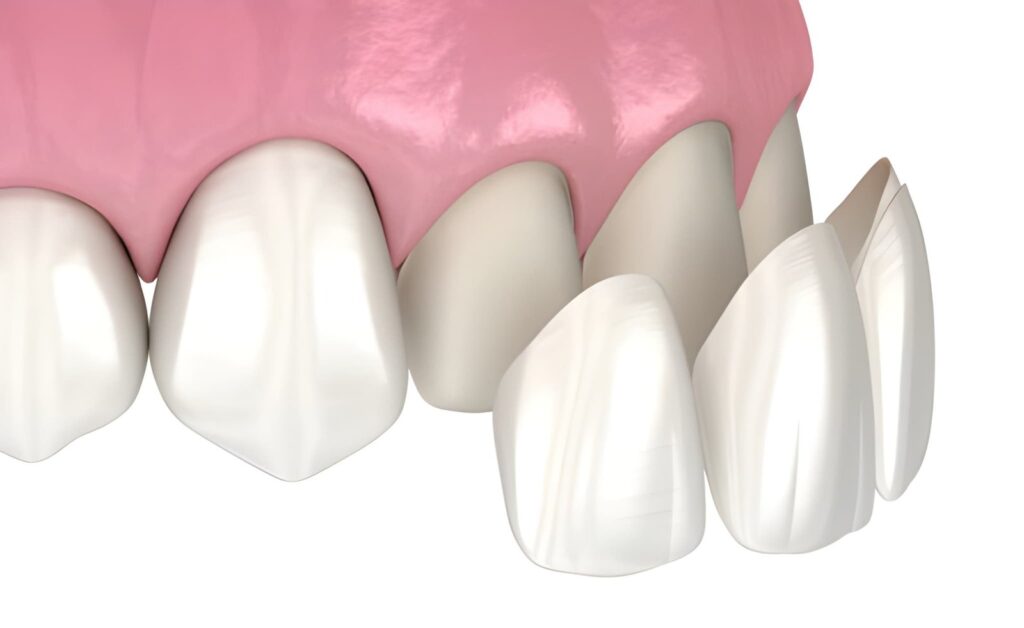
Veneers are thin custom-made shells, usually crafted from porcelain, that are bonded to the front surface of the teeth. They are designed to improve the appearance of teeth by covering imperfections and creating a more uniform smile.
Veneers are often recommended for:
- Severe tooth discolouration
- Worn or damaged teeth
- Uneven tooth shapes
- Larger gaps between teeth
- Complete smile makeovers
Porcelain veneers are known for their exceptional durability and highly aesthetic appearance.
Benefits of Veneers
Long-Lasting Results
Porcelain veneers can last between 10 and 15 years or even longer with proper care.
Excellent Stain Resistance
Unlike composite resin, porcelain is highly resistant to staining from coffee, tea, red wine, and smoking.
Superior Aesthetics
Porcelain reflects light similarly to natural enamel, creating a highly realistic appearance.
Comprehensive Smile Transformation
Veneers can dramatically improve the overall appearance of multiple teeth simultaneously.
What Are the Three Types of Dental Implants?
Composite Bonding vs Veneers: Key Differences
Treatment Process
Composite bonding is usually completed in one visit and involves directly applying resin to the tooth.
Veneers typically require two or more appointments, including preparation, impressions, and final placement.
Tooth Preparation
Composite bonding requires minimal preparation.
Veneers often involve removing a thin layer of enamel to ensure a secure fit and natural appearance.
Durability
Composite bonding generally lasts around 5 to 7 years.
Porcelain veneers can last 10 to 15 years or more with proper maintenance.
Appearance
Both treatments offer excellent aesthetic results. However, veneers often provide a more uniform and long-lasting appearance, particularly for patients seeking a complete smile makeover.
Cost
Composite bonding is usually more affordable initially.
Veneers involve a higher upfront investment but often provide longer-lasting results.
Which Treatment Looks More Natural?
Both treatments can deliver highly natural-looking results when performed by an experienced cosmetic dentist.
Composite bonding blends beautifully with natural teeth and is ideal for smaller corrections. Porcelain veneers offer exceptional translucency and colour stability, making them a preferred option for extensive cosmetic improvements.
Who Is a Good Candidate for Composite Bonding?
Composite bonding may be ideal if you:
- Have minor cosmetic imperfections
- Want a reversible treatment
- Prefer a minimally invasive option
- Need a cost-effective smile enhancement
- Want immediate results
Who Is a Good Candidate for Veneers?
Veneers may be suitable if you:
- Want a complete smile transformation
- Have significant discolouration
- Need multiple cosmetic corrections
- Want highly durable results
- Are prepared for a more permanent solution
Caring for Composite Bonding and Veneers
Good oral hygiene is essential regardless of which treatment you choose.
To maintain your results:
- Brush twice daily with fluoride toothpaste
- Floss every day
- Attend regular dental check-ups
- Avoid biting hard objects
- Limit foods and drinks that may cause staining
- Wear a mouthguard if you grind your teeth
Proper care helps maximise the lifespan of both bonding and veneers.
Which Option Is Right for You?
The best treatment depends on your cosmetic goals, budget, and long-term expectations.
If you want a fast, affordable, and minimally invasive solution, composite bonding may be the perfect choice. If you’re looking for a long-lasting smile transformation with maximum aesthetic impact, veneers may provide the results you’re seeking.
A cosmetic dental consultation can help you explore both options and create a personalised treatment plan tailored to your smile.
Book Your Cosmetic Dentistry Consultation Today
Ready to discover whether composite bonding or veneers are right for you? Contact Holburn Dental and Implant Centre today to arrange your consultation. Our friendly team will assess your smile, discuss your goals, and recommend the most suitable treatment to help you achieve outstanding results. Take the first step towards a brighter, more confident smile today.
Frequently Asked Questions
Which lasts longer, composite bonding or veneers?
Porcelain veneers generally last longer, often 10–15 years or more, while composite bonding typically lasts around 5–7 years.
Is composite bonding cheaper than veneers?
Yes. Composite bonding is usually more affordable than porcelain veneers, making it a popular option for minor cosmetic improvements.
Can composite bonding fix gaps between teeth?
Yes. Composite bonding is commonly used to close small gaps and improve tooth symmetry without orthodontic treatment.
Do veneers look more natural than bonding?
Both can look natural, but porcelain veneers often provide greater colour stability and a more refined appearance over time.
Can composite bonding be repaired?
Yes. If composite bonding becomes chipped or worn, it can often be repaired quickly without replacing the entire restoration.