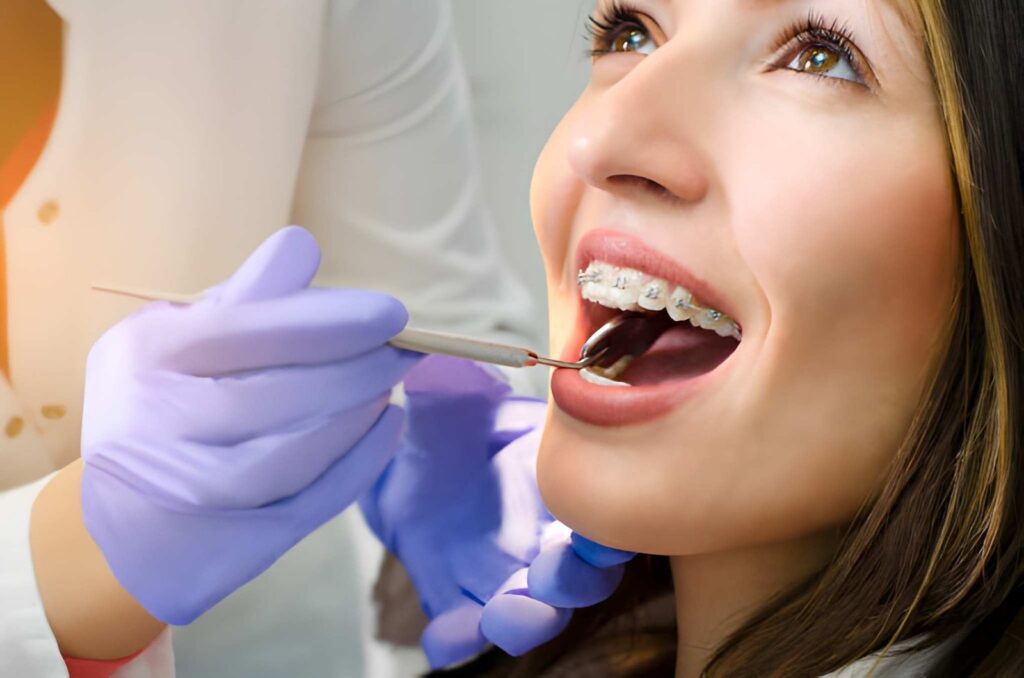
Orthodontic problems often develop gradually, making them easy to overlook in the early stages. However, recognising the warning signs early can help prevent more complex dental issues in the future. Whether you are experiencing bite problems, crowded teeth, or jaw discomfort, seeking orthodontic advice can improve both your oral health and confidence.
At Holburn Dental and Implant Centre, we help patients of all ages identify and treat orthodontic concerns before they become more severe.
Why Early Orthodontic Assessment Matters
Orthodontic treatment is not only about creating a straighter smile. Proper tooth and jaw alignment can improve chewing, speaking, oral hygiene, and overall dental health. Modern solutions, including Invisalign aligners Aberdeen, can help correct alignment issues discreetly and comfortably. Early intervention often leads to simpler, faster, and more effective treatment outcomes while supporting long-term oral health.
Can Invisalign Improve Bite Alignment and Jaw Function in Aberdeen?
Common Early Signs You May Need Orthodontic Treatment
Crooked or Crowded Teeth
One of the most obvious signs is teeth that overlap, twist, or appear crowded. When there is not enough space in the mouth, teeth can become misaligned, making them harder to clean and increasing the risk of tooth decay and gum disease.
Gaps Between Teeth
Spaces between teeth can affect both appearance and function. While some gaps are harmless, others may indicate bite issues or improper jaw development that could benefit from orthodontic treatment.
Difficulty Biting or Chewing
If you struggle to bite into food comfortably or notice uneven chewing patterns, it could be a sign that your teeth are not meeting correctly. Orthodontic treatment can improve bite function and make eating easier.
Frequent Jaw Pain or Clicking
Jaw discomfort, clicking sounds, or stiffness may indicate alignment problems between the teeth and jaw. Correcting bite issues can often reduce strain on the jaw joints and surrounding muscles.
Overbite
An overbite occurs when the upper front teeth overlap the lower teeth excessively. Severe overbites can cause uneven tooth wear, jaw discomfort, and difficulties with chewing.
How Do Aberdeen Dentists Create Digital Scans for Invisalign® Treatment?
Underbite
An underbite happens when the lower teeth sit in front of the upper teeth. This condition can affect facial appearance, speech, and eating function if left untreated.
Crossbite
A crossbite occurs when some upper teeth sit behind the lower teeth when biting down. This can lead to uneven wear, gum recession, and jaw problems over time.
Open Bite
If your upper and lower teeth do not meet when your mouth is closed, you may have an open bite. This can affect speech, chewing, and overall dental function.
Teeth Grinding or Clenching
Frequent grinding or clenching may be linked to bite problems. Over time, this can wear down teeth, cause sensitivity, and place excess pressure on the jaw.
Speech Difficulties
Certain orthodontic issues can affect how sounds are formed, leading to speech difficulties. Correcting tooth alignment can often improve speech clarity and confidence.
What Happens If You Don’t Wear Invisalign Aligners for 22 Hours?
Signs Parents Should Watch for in Children
Early orthodontic assessments are especially important for children. Parents should look out for:
- Early or late loss of baby teeth
- Thumb-sucking beyond age five
- Mouth breathing
- Difficulty chewing
- Crowded or emerging crooked teeth
- Jaw shifting when opening or closing
Many orthodontists recommend an initial assessment by around age seven to identify developing concerns early.
Orthodontic Treatment Options
Modern orthodontics offers several solutions depending on the severity of the issue.
Invisalign Clear Aligners
Clear aligners are a popular choice for adults and teenagers seeking a discreet treatment option. Invisalign gradually moves teeth into position using removable, nearly invisible aligners.
Traditional Braces
Metal braces remain highly effective for treating complex alignment and bite issues. They provide precise control over tooth movement and can address a wide range of orthodontic concerns.
Ceramic Braces
Ceramic braces function like traditional braces but use tooth-coloured brackets for a more discreet appearance.
Retainers and Other Appliances
In some cases, retainers or specialised orthodontic appliances may be used to guide jaw growth and maintain treatment results.
Benefits of Orthodontic Treatment
Orthodontic treatment can provide many long-term benefits:
- Improved oral hygiene
- Reduced risk of tooth decay and gum disease
- Better chewing and speech function
- Enhanced facial balance
- Reduced jaw discomfort
- Increased confidence and self-esteem
When Should You Book an Orthodontic Consultation?
If you notice any of these early warning signs, it is worth arranging a professional assessment. Early treatment can often prevent more complicated procedures later and help achieve better long-term results.
Book Your Orthodontic Consultation at Holburn Dental and Implant Centre
At Holburn Dental and Implant Centre, we provide personalised orthodontic assessments and treatment plans for children, teenagers, and adults. Whether you are considering Invisalign or traditional braces, our experienced team will help you choose the most suitable option for your smile.
Take the First Step Towards a Straighter Smile
If you are noticing signs of misalignment, crowding, or bite problems, don’t wait for them to worsen. Contact Holburn Dental and Implant Centre today to book your orthodontic consultation and discover the best treatment options for your needs.
Frequently Asked Question
What age should orthodontic treatment start?
Many children benefit from an orthodontic assessment around age seven, although treatment can begin later if appropriate.
Can adults have orthodontic treatment?
Yes. Orthodontic treatment is suitable for adults of all ages, with options such as Invisalign making treatment more discreet.
How long does orthodontic treatment take?
Treatment times vary depending on the complexity of the case, but typically range from 6 months to 3 years.
Is Invisalign suitable for bite correction?
Yes. Invisalign can successfully treat many mild-to-moderate bite problems, including overbites, underbites, and crossbites.
How do I know if I need braces or Invisalign?
A professional orthodontic consultation will determine which treatment is most suitable based on your specific alignment and bite concerns.