Dental implants in Aberdeen are becoming increasingly popular due to their natural appearance, durability, comfort, and long-term benefits for oral health. This guide explains why more people are choosing implants over dentures, how they work, and what patients can expect from treatment.
Tooth loss affects much more than appearance—it impacts confidence, speech, chewing, and overall well-being. While dentures were once the standard solution, many Aberdeen residents are now choosing dental implants for a more permanent and comfortable option. This guide explores the top reasons why implants have become the preferred choice across the city.
What Are Dental Implants?
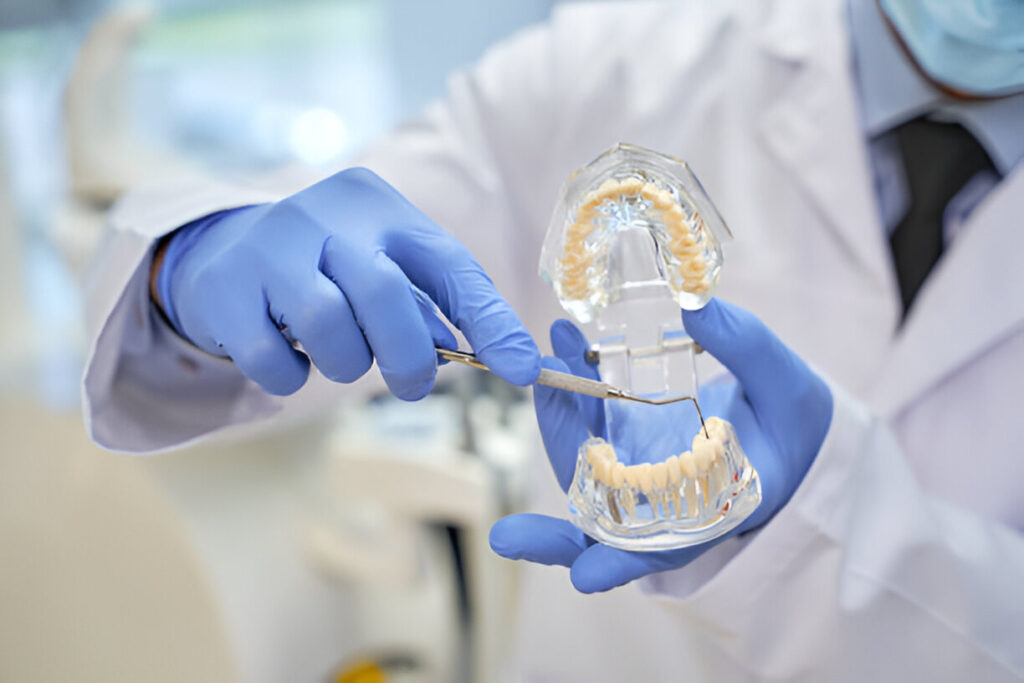
Dental implants are titanium posts placed into the jawbone to act as artificial tooth roots. They hold a custom-made crown, giving the appearance and function of a natural tooth. Because they are fixed in place, implants provide stability, durability, and a highly natural look and feel.
How Long Does an Implant Surgery Take for One Tooth?
Top Benefits of Choosing Dental Implants (At a Glance)
- Natural appearance and realistic feel
- Long-term durability compared to dentures
- Improved comfort during daily activities
- Better jawbone health and facial support
- Freedom to enjoy a wide variety of foods
How to Get a Dental Implant (Step-by-Step)
- Consultation & Assessment
The dentist evaluates your gums, jawbone, and overall suitability for implants. - Implant Placement
A titanium post is placed into the jawbone under local anesthesia. - Healing & Crown Placement
After healing, a custom-made crown is attached for a natural, functional finish.
Why Aberdeen Residents Prefer Dental Implants Over Dentures
1. A Natural Look and Feel
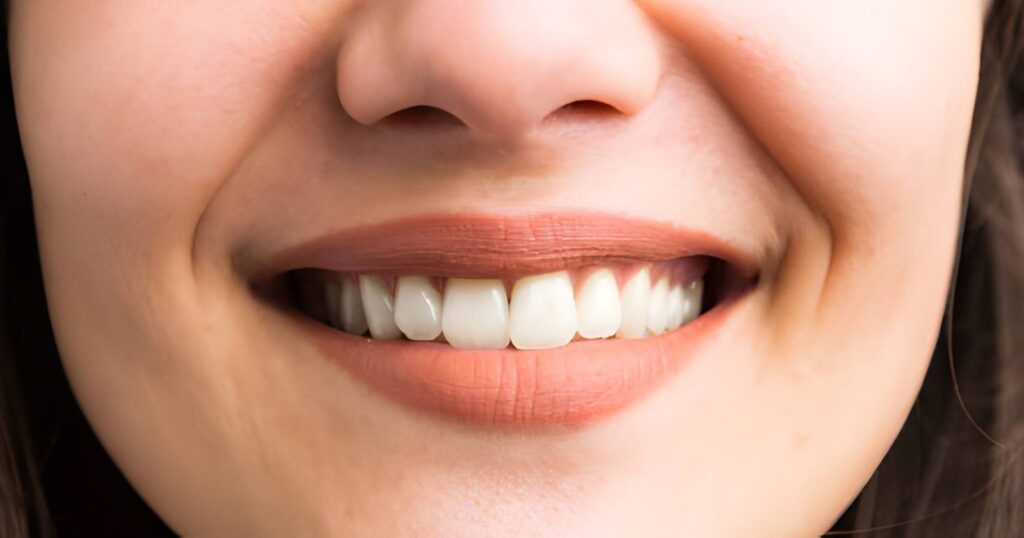
Dental implants in Aberdeen are designed to closely match natural teeth in colour, shape, and strength. Unlike dentures that sit on the gums and may shift, implants are anchored into the jawbone, ensuring stability when talking, eating, or smiling. This secure fit helps patients feel confident in any situation.
Are Dental Implants as Good as Real Teeth?
2. Long-Term Stability and Durability
Dentures wear down over time and often need adjustments or replacements. Dental implants can last decades with proper care, making them a long-term investment. Although the initial cost may be higher, their long-lasting nature makes implants a cost-effective option for many Aberdeen residents.
3. Improved Comfort and Confidence
Dentures can rub against the gums, create sore spots, and feel bulky. They can even slip during conversations or meals. Dental implants eliminate these issues because they stay fixed in place. This stability helps patients enjoy social activities, work presentations, and everyday interactions with confidence.
4. Better Jawbone Health
After tooth loss, the jawbone begins to shrink due to lack of stimulation. Dentures do not prevent this. Dental implants act like natural tooth roots, stimulating the bone and helping maintain facial structure. This prevents a “sunken” appearance and supports long-term oral health.
What Foods to Avoid After Dental Implants?
5. Freedom with Food Choices
Aberdeen residents enjoy a wide variety of foods—from fresh seafood to Aberdeen Angus beef. Denture wearers often struggle with harder or crunchier foods, but implants restore full chewing strength. With implants, patients can enjoy their favourite meals without restriction or discomfort.
FAQs (Based on People Also Ask)
Are dental implants better than dentures for everyone?
Implants offer a permanent, stable solution, but not everyone qualifies. Healthy gums and sufficient jawbone are required. Your dentist will determine suitability.
How long do dental implants last?
Implants can last 20–30 years or longer with good oral hygiene and routine check-ups. The crown may need replacement after 10–15 years.
Do dental implants require special care?
No. Care is similar to natural teeth—brushing twice daily, flossing, and attending dental check-ups.
Are dental implants painful to get?
The procedure is usually painless under local anaesthesia. Mild discomfort afterward is normal but temporary.
What foods should I avoid after dental implant surgery?
Avoid hard, chewy, or sticky foods during healing. Once healed, you can eat normally.
Author Details
Written by: Holburn Dental & Implant Centre Clinical Team
Reviewed by: Lead Implant Dentist
Last Updated: November 2025