Dental implants are a common solution for missing teeth. While the procedure itself is not painful due to local anesthesia, discomfort may occur after the treatment. This article covers what to expect during the process, how to manage post-procedure discomfort, and the long-term benefits of dental implants.
What Is a Dental Implant?
A high-quality dental implant in Aberdeen is a permanent replacement for a missing tooth. It involves placing a titanium post into the jawbone, which then supports a crown that looks and functions like a natural tooth. High-quality dental implants in Aberdeen offer a durable, long-lasting solution that restores both the function and aesthetics of your smile.
Can Your Mouth Reject a Dental Implant?
Does Getting a Dental Implant Hurt?
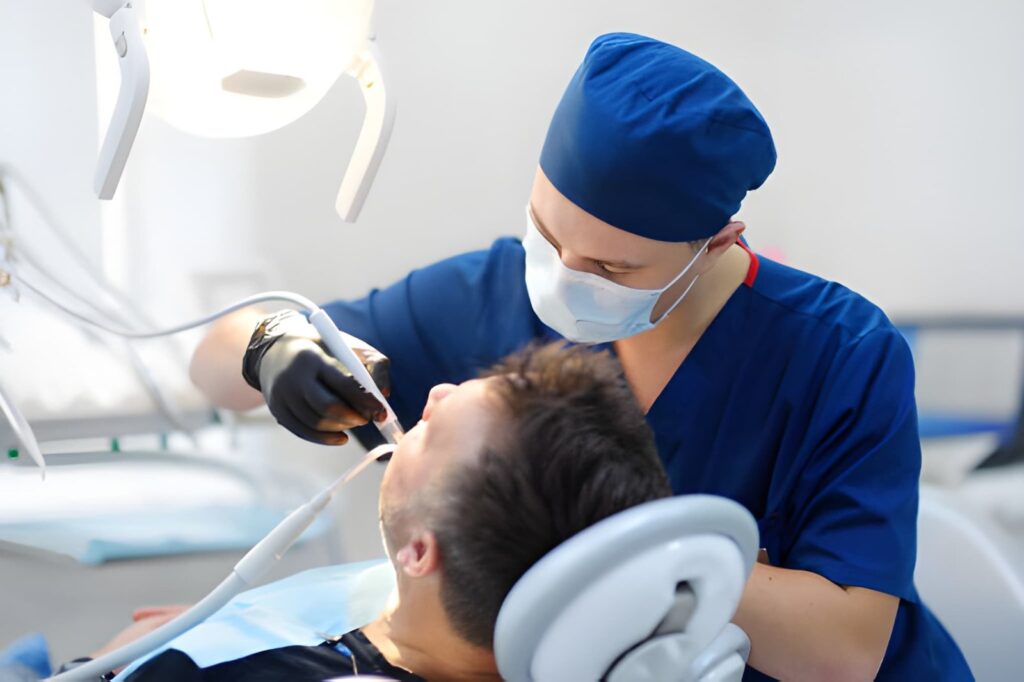
The process of receiving a dental implant is typically not painful, thanks to local anesthesia that numbs the area. You may feel pressure, but not pain, as the dentist inserts the titanium post into the jawbone. Sedation options, such as IV sedation, can make the procedure even more comfortable for anxious patients.
Managing Discomfort After Getting a Dental Implant
While the procedure is pain-free, discomfort may arise once the anesthesia wears off. Here’s how you can manage post-treatment discomfort:
- Use Ice Packs: Apply ice to your cheek to reduce swelling and numb the area.
- Take Pain Relief: Over-the-counter painkillers like ibuprofen can help manage any aches.
- Rinse with Saltwater: This will help keep the area clean and promote healing.
- Stick to Soft Foods: Eat soft, cold foods like yogurt and mashed potatoes for the first few days.
- Get Plenty of Rest: Rest helps your body heal faster and reduces the risk of complications.
How Much Does a Single Dental Implant Cost in the UK?
What to Expect During the Recovery Process
Recovery varies for each patient, but most people feel better within 7 to 10 days. Here’s what to keep in mind:
- Oral Hygiene: Gently brush your teeth and rinse with saltwater to avoid infection.
- Avoid Smoking: Smoking can slow down healing and increase the risk of infection.
- Follow-Up Appointments: Your dentist will schedule check-ups to monitor healing and address concerns early.
What is the Best Age to Get a Tooth Implant?
Frequently Asked Question
How much pain should I expect after a dental implant?
Discomfort is typically mild and manageable with pain relief. Swelling and soreness around the implant site usually go away after a few days.
Can I lose my gums around a dental implant?
While rare, gum recession can occur if implants are not cared for properly. Good oral hygiene and regular check-ups help prevent this.
What is the best age for dental implants?
Dental implants are typically best suited for adults whose jawbones have fully developed, usually around age 18 for women and 21 for men.
What are the risks associated with dental implants?
The most common risk is infection, but this can usually be avoided by following post-surgery instructions. In some cases, a bone graft may be needed to strengthen the jawbone.
Author Details
Written by: Holburn Dental & Implant Centre Clinical Team
Reviewed by: Lead Implant Dentist
Last Updated: December 2025