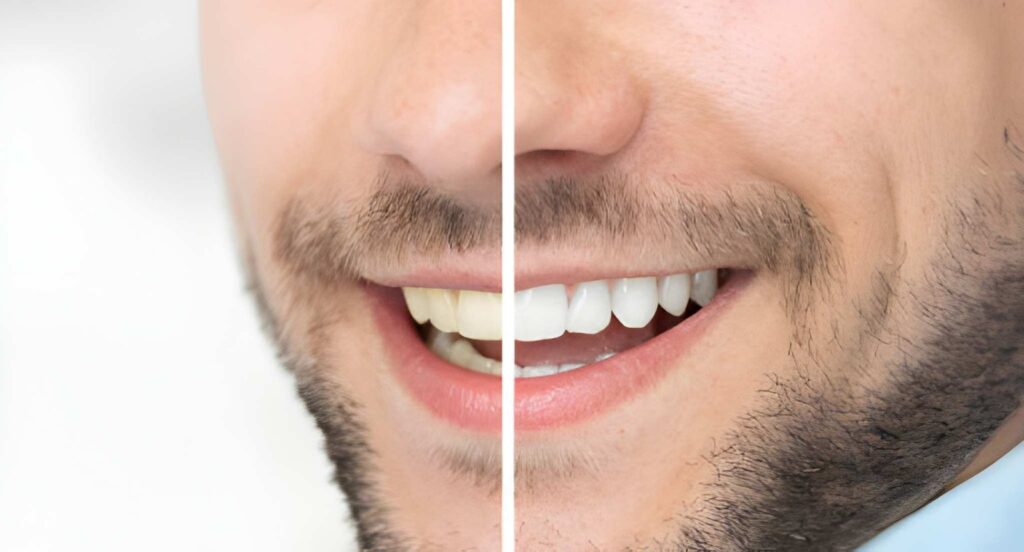
Composite bonding is a cosmetic dental procedure that fixes imperfections like chips, gaps, and discoloration using tooth-colored resin. It’s a quick, pain-free treatment that provides a natural-looking finish without the need for surgery or permanent changes. This article covers everything you need to know about composite bonding.
What Is Composite Bonding?
Composite bonding in Aberdeen is a non-invasive cosmetic dental treatment that uses a tooth-colored resin to enhance the appearance of your teeth. The material is applied directly to the tooth, shaped to the desired form, and hardened with a special light. This procedure helps correct chips, gaps, and discoloration without removing healthy tooth structure, making it an ideal solution for those seeking a quick and effective cosmetic enhancement in Aberdeen.
How Much is Composite Bonding Per Tooth?
Benefits of Composite Bonding
Composite bonding offers several advantages, making it a popular cosmetic treatment:
- Non-invasive: No drilling or removal of enamel is needed.
- Quick procedure: Often completed in a single visit.
- Natural appearance: The resin blends seamlessly with your natural teeth.
- Cost-effective: Less expensive than other cosmetic treatments like veneers.
- Pain-free: No anesthesia or surgery required for most patients.
Can Composite Bonding Fill Gaps?
Types of Composite Bonding (Step-by-Step)
- Edge Bonding: Used to reshape or smooth the edges of teeth, often fixing small chips or uneven edges.
- Composite Build-Up: For larger areas, used to create fuller, more uniform shapes, often referred to as composite veneers.
- Custom Treatment: Your dentist will recommend the best type based on your goals and the condition of your teeth.
How Much Is Composite Bonding Per Tooth?
The cost of composite bonding can vary depending on the number of teeth being treated and the complexity of the procedure. On average, it costs less than other cosmetic options like veneers, but it’s important to consult with your dentist for an accurate estimate.
Can Composite Bonding Fill Gaps?
Yes, composite bonding is an excellent solution for filling small gaps between teeth. The resin is shaped to fill the space, creating a smoother and more symmetrical smile.
Is Composite Bonding Available on the NHS?
Composite bonding is typically not available under the NHS unless there’s a medical need, such as repairing a tooth damaged by trauma. For cosmetic purposes, this treatment is usually provided privately.
Longevity and Aftercare of Composite Bonding
With proper care, composite bonding can last 5 to 7 years. To extend the lifespan of your bonding:
- Brush and floss regularly: Maintain good oral hygiene.
- Avoid hard foods: Refrain from chewing ice or hard candies.
- Limit staining foods: Be mindful of tea, coffee, and red wine.
- Regular dentist visits: Keep up with routine checkups and maintenance.
Frequently Asked Question
What is composite bonding?
Composite bonding is a cosmetic dental procedure that uses tooth-colored resin to repair chips, gaps, or discoloration in your teeth.
How long does composite bonding last?
Composite bonding can last between 5 and 7 years with proper care.
Can composite bonding fix gaps in teeth?
Yes, composite bonding can effectively close small gaps between teeth by applying and shaping the resin.
Is composite bonding painful?
No, composite bonding is a non-invasive, pain-free procedure. Most patients find it comfortable, and anesthesia is rarely required.
Is composite bonding right for everyone?
Composite bonding works well for individuals with healthy teeth who want to fix minor imperfections. It may not be suitable for those with bite problems, gum disease, or extensive tooth damage.
Author Details
Written by: Holburn Dental & Implant Centre Clinical Team
Reviewed by: Composite Bonding Dentist Lead
Last Updated: December 2025