Dental implants are a long-term, natural-looking solution for missing teeth, but not everyone is an immediate candidate. This guide explains eligibility requirements, who qualifies, medical considerations, the role of oral hygiene, and alternative options for those not suitable yet. Dental implants are one of the most effective ways to replace missing teeth, offering strength, stability, and a natural appearance. However, while many people are great candidates for implants, not everyone qualifies right away. This guide explains what makes someone suitable for dental implants, the factors dentists consider, and the options available if you’re not ready for implants yet.
What Are Dental Implants?
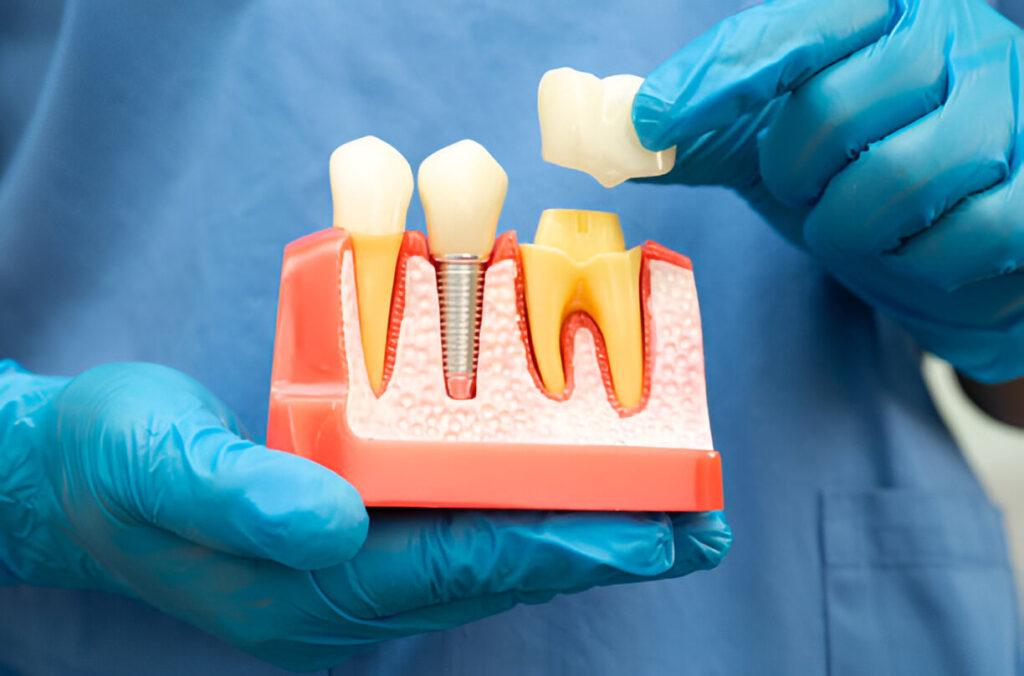
Dental implants Aberdeen are small titanium posts placed into the jawbone to replace missing tooth roots. After placement, the surrounding bone fuses with the implant through a process called osseointegration. Once fully healed, a custom crown, bridge, or denture is attached, creating a secure, natural-looking restoration that functions just like a real tooth.
Can Dental Implants Cause Headaches?
Who Is a Good Candidate for Dental Implants? (At a Glance)
- Good overall health for healing
- Healthy gums free from active gum disease
- Enough jawbone to support an implant
- Commitment to daily oral hygiene
- Non-smoker or willing to stop smoking
- Medically stable with controlled health conditions
How to Determine Implant Eligibility (Step-by-Step)
- Comprehensive Dental Examination
Your dentist assesses your teeth, gums, and bone structure. - Medical History Review
Conditions like diabetes, heart issues, or blood disorders are evaluated. - Scans and X-Rays
Detailed imaging determines bone levels and suitability for implant placement.
Can i Get Dental implants if i Have Bone Loss
Important Factors That Affect Implant Suitability
Good General Health
Successful implant healing requires stable health. Conditions like uncontrolled diabetes or heart disease can slow recovery. If managed well, many patients can still qualify with guidance from their dentist and doctor.
Healthy Gums
Active gum disease can weaken implant stability. Any signs of gum inflammation or infection must be treated before implant placement to ensure long-term success.
Can Dental Implants Restore Face Shape?
Enough Jawbone
A strong jawbone is essential for implants. If bone loss has occurred, procedures like bone grafting can rebuild the area and make implants possible later.
Commitment to Oral Hygiene
Daily brushing, flossing, and routine check-ups are crucial for implant success. Poor oral hygiene increases the risk of infection around the implant.
Can Dental Implants Affect Your Eyes?
Non-Smoker or Willing to Quit
Smoking restricts blood flow and increases implant failure risk. Dentists often advise stopping smoking before and after treatment.
FAQs (Based on People Also Ask)
Can anyone get dental implants?
Most healthy adults qualify, but some conditions—such as gum disease, bone loss, or uncontrolled medical issues—must be addressed first.
Is there an age limit for dental implants?
There is no upper age limit. However, implants aren’t usually recommended for patients under 18 because their jawbones may still be developing.
Can I get dental implants if I have bone loss?
Yes. Bone grafting can rebuild the area, allowing implants to be placed later.
Do dental implants hurt?
The procedure is typically painless under local anesthetic. Mild swelling or discomfort afterward is normal and short-lived.
Can smokers get dental implants?
Yes, but success rates are lower. Quitting smoking significantly improves outcomes.
Can people with diabetes get implants?
Yes, if diabetes is well controlled. Poorly controlled diabetes increases infection risk.
Do implants require special cleaning?
Implants are cleaned like natural teeth—brush twice daily, floss, and attend regular check-ups.
Author Details (EEAT)
Written by: Holburn Dental & Implant Centre Clinical Team
Reviewed by: Lead Implant Dentist
Last Updated: November 2025