Dental implants are one of the most reliable solutions for replacing missing teeth. They look natural, feel secure, and can last for many years with proper care. Because every patient is different, there are several implant types to suit different levels of bone strength and treatment goals. This guide explains the three main types of implants and helps you understand which option may be right for you.
What Are Dental Implants?
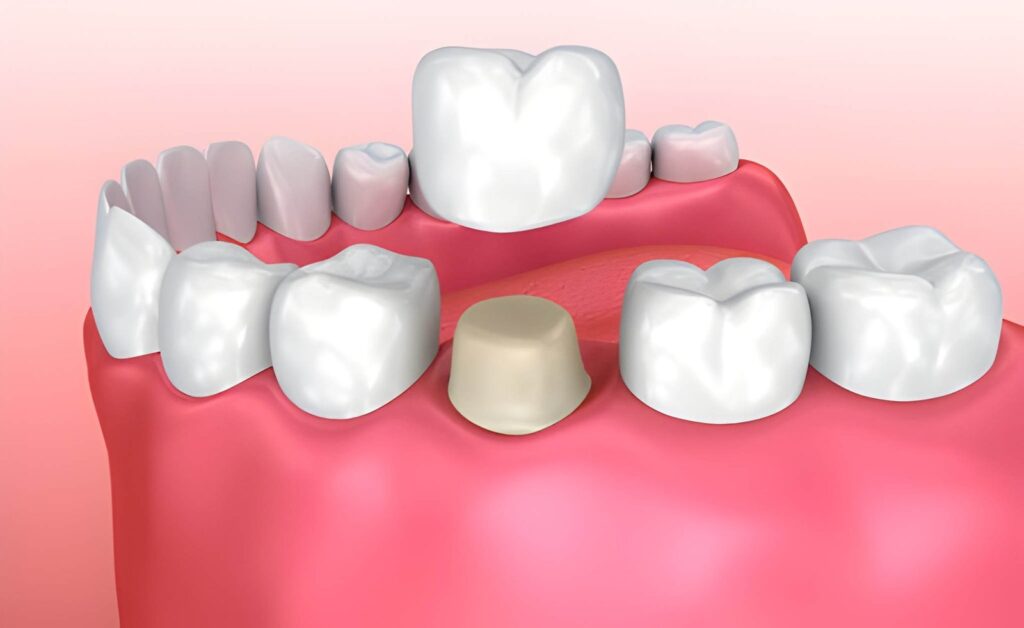
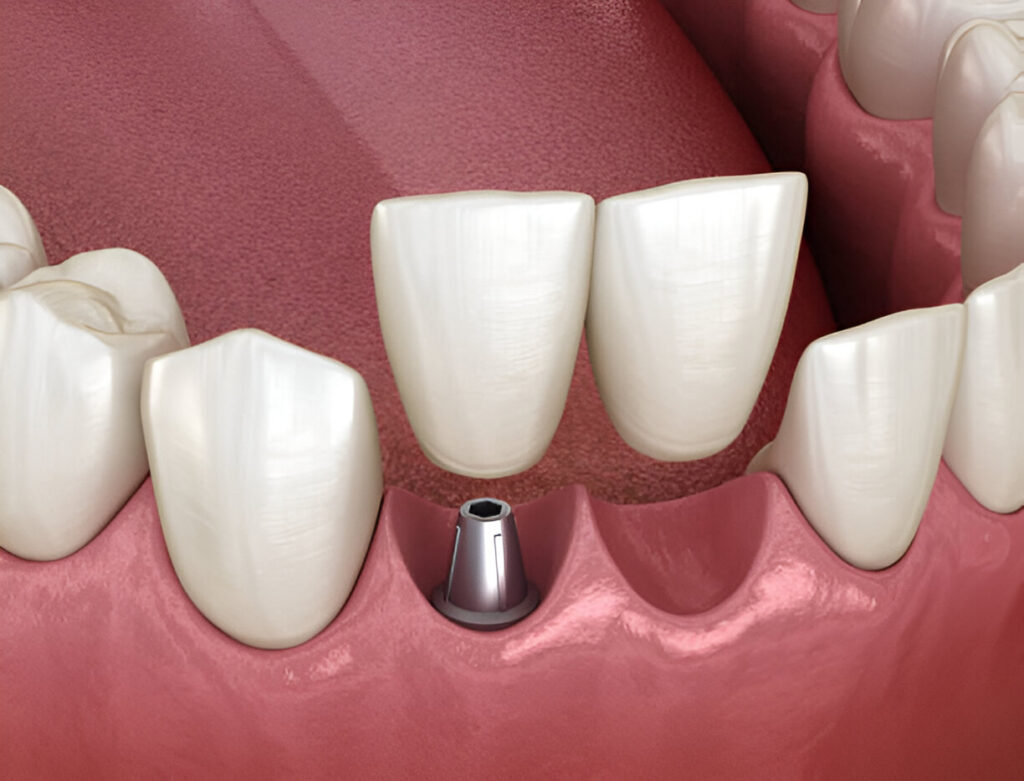
Trusted dental implants in Aberdeen are small metal posts placed into the jawbone to act as artificial tooth roots. Once they heal, a crown, bridge, or denture is attached on top. These implants are usually made of titanium, a strong and biocompatible material. Over time, the implant fuses with the bone, creating a secure and long-lasting foundation for replacement teeth.
How Many Days After Dental Implants Can I Eat Normally?
The Three Types of Dental Implants
- Endosteal implants—placed inside the jawbone
- Subperiosteal implants sit on top of the jawbone, beneath the gum
- Zygomatic implants—anchored in the cheekbone for severe bone loss
Step-by-Step: How Dental Implant Treatment Works
1. Consultation & Assessment
Your dentist examines your mouth, takes X-rays or scans, and checks your bone health.
2. Implant Placement
The implant is placed into (or onto) the bone depending on the type needed.
3. Healing & Restoration
After healing, a custom crown, bridge, or denture is attached, completing your new smile.
How Long Does an Implant Surgery Take for One Tooth?
1. Endosteal Implants (Most Common Type)
Endosteal implants are shaped like screws and placed directly into the jawbone. They are the most widely used option and are ideal for patients with healthy, strong bone. Once healed, a replacement tooth is attached on top, providing excellent stability.
2. Subperiosteal Implants
Subperiosteal implants rest on top of the jawbone but under the gum line. Instead of being inserted into the bone, a metal frame supports the artificial teeth. This option works well for patients with a thin jawbone who cannot undergo bone grafting.
Are Dental Implants as Good as Real Teeth?
3. Zygomatic Implants
Zygomatic implants are placed in the cheekbone rather than the jawbone. They are used when there is severe bone loss in the upper jaw. Because this procedure is more complex, it requires a skilled dental team, but it helps patients avoid long bone-building treatments.
When Are These Implant Types Used?
- Endosteal implants: when bone is healthy and strong
- Subperiosteal implants: when bone is thin and grafting is not ideal
- Zygomatic implants: when upper jawbone is too weak for standard implants
Your dentist will assess your bone health, medical history, and treatment goals before recommending the right option.
Extra Procedures Before Implants
Some patients need additional treatments to prepare the jaw for implants:
- Bone grafting: strengthens weak or thin jawbone
- Sinus lift: adds bone in the upper jaw behind the cheeks
- Ridge expansion: widens a narrow jawbone
These steps help create the ideal foundation for long-lasting implant success.
What Foods to Avoid After Dental Implants?
Choosing the Right Implant Type
The best implant type depends on your bone strength, the number of missing teeth, your comfort with surgery, and your overall goals. Some people want fixed teeth; others prefer removable options. Your dentist will help you understand what suits your smile, health, and budget.
FAQs (People Also Ask)
Which type of dental implant is most common?
Endosteal implants are the most common because they fuse securely with the jawbone and work for most patients with healthy bone.
Can I get implants if my jawbone is weak?
Yes. Subperiosteal or zygomatic implants can be used, or your dentist may recommend bone grafting to prepare the jaw.
Are zygomatic implants safe?
Yes—when placed by an experienced implant dentist. They are used only when the upper jawbone is too weak for traditional implants.
How long do dental implants last?
With good care, implants can last 15 years or more. Many last a lifetime with proper oral hygiene and regular check-ups.
Is the implant procedure painful?
No. The procedure is done with local anesthetic. Mild discomfort afterward is normal and usually improves within a few days.
Author Details
Written by: Holburn Dental & Implant Centre Clinical Team
Reviewed by: Lead Implant Dentist